
Category: Living in Venice

About my experience of living in Venice

  • Drowning in silence

    Drowning in silence

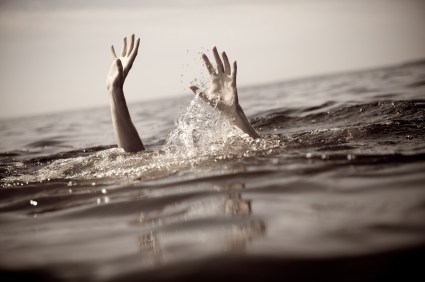
    A young man of 21 years has died drowning in the Grand Canal in front of the station of Venice. Nobody understood that he was dying, and help arrived too late. “He refused the lifebuoy” the local papers have repeated endlessly, and hence its seen as a suicide. I have seen a man drown two metres from me in a pool. Fortunately he was saved by somebody brighter than I, and he left the pool alive, if shaken. I was hospitalised here in Venice, for rehabilitation after a stroke, and I was in the pool for exercises. Besides me in the deeper part of the pool was a elderly man, an immigrant like myself, I believe. While I was concentrating on my exercises, I perceived from the corner of the eye that he was totally immobile in the water. Turning I see that he’s passive in the water, head down, arms stretched out on the sides, floating totally immobile. Fragments of various thoughts swirled around my brain, but before I was able to put two and two together, the therapist came running, jumped in the pool and pulled the man’s head out of the water. All this happened in a few seconds, in perfect silence. Nobody said anything, and I don’t believe the others in the pool noticed anything before the therapist jumped in, dressed and all. Only then did I understand what was happening, and what could have been the consequences. I wouldn’t have saved that man in time. It still hurts thinking about it.
    It wasn’t out of malice. On the contrary, I kind of liked the man. I wouldn’t have saved him because of mental slowness, and a lack of preparation. When the therapist intervened, I still hadn’t understood the gravity of the situation. I was in a kind of confused state of mind, that yes, something wasn’t right, but I couldn’t quite get my head around what, and not understanding, I didn’t act. Thoughts of “drowning” and “death” still hadn’t crossed my mind. I only understood afterwards, when the therapist was already in the pool. How long would the poor man have had to wait for me to save him? I hope not for long, but honestly I don’t know. Maybe he would have drowned there besides me. Nobody else in the pool had noticed anything. If it hadn’t been for a bright and alert therapist, he could have died there in the hospital pool. Simply by extended an arm I could have touched him. I didn’t. I didn’t because I didn’t understand. Drowning is not a violent, dramatic and noisy event. One drowns in silence, immobile, sometimes metres from who could save you.

    Please read: “Drowning doesn’t look like drowning” by Mario Vittone. Maybe one day you can save a life.

  • Annegare in silenzio

    Annegare in silenzio

    Un ragazzo giovane di 21 anni è morto annegato in Canal Grande di fronte alla Stazione. Nessuno capiva che stava morendo e l’aiuto è arrivato troppo tardi. “Rifiutava il salvagente” viene ripetuto nei giornali, quindi suicidio. Io ho visto un uomo annegare a due metri da me in piscina. Per fortuna è stato salvato da una persona più svelta di me ed è uscito vivo dalla piscina, anche se scosso. Ero in ospedale qua a Venezia, per la riabilitazione dopo un ictus e facevo esercizi in piscina. Accanto a me nella parte più profonda c’era un signore anziano, credo immigrante come me Mentre io ero concentrato sui miei esercizi, percepivo comunque con l’angolo dell’occhio che lui era tutto fermo in acqua. Mi giro e lo vedo a testa in giù, braccia allargate in superficie, che galleggiava completamente immobile. Mi passavano tanti frammenti di pensieri strani per la testa, ma prima di essere riuscito a fare due più due, è arrivato il fisioterapista di corsa, si è buttato in acqua e ha tirato su la testa dell’uomo. Tutto questo è successo in pochi secondi, in un silenzio perfetto. Nessuno ha detto niente e non credo che gli altri pazienti nella piscina si sono accorti di niente, prima che il fisioterapista si fosse tuffato in acqua, vestito e tutto. Solo allora ho capito fino in fondo che cosa stava succedendo e quali potrebbero essere state le conseguenze. Io non avrei salvato quell’uomo in tempo. Mi si stringe ancora il cuore a pensarci. Non per cattiveria, per carità. Al contrario, il signore mi stava anche simpatico. Non l’avrei salvato per lentezza mentale o per impreparazione. Quando il fisioterapista è intervenuto, io non avevo ancora capito quanto fosse grave la situazione. Ero in uno stato confusionale, c’era sì qualcosa che non andava ma non capivo che cosa e quindi non agivo. Pensieri come “annegamento” e “morto” non si erano ancora formati nella mia testa. Ho capito solo dopo, quando il fisioterapista era già in acqua. Non so quanto tempo ancora il povero signore avrebbe dovuto aspettare per essere salvato da me. Spero poco, ma onestamente non lo so dire. Forse sarebbe annegato là accanto a me. Nessun altro nella piscina si era accorto di niente. Se non fosse stato per il fisioterapista bravissimo, il signore potrebbe essere morto là, in piscina in ospedale. A me sarebbe bastato stendere un braccio per toccarlo. Non l’ho fatto. Non l’ho fatto perché non capivo. Annegare non è un evento violento, drammatico, rumoroso. Si annega in silenzio, immobili, a volte pochi metri da chi potrebbe salvarci. Leggete per favore: “Annegare Sembra Non Annegare” di Mario Vittone. Forse un giorno salvate una vita.
  • Gilberto Penzo: La gondola

    Gilberto Penzo: La gondola

    This is the definitive book on the Venetian gondola, written by scholar Gilberto Penzo who also runs the website Venice Boats.

    The first edition was published in 1999, but it has been out of print for ages, probably for more than ten years.  I have never been able to locate a copy for sale, and I’ve ask everywhere.  Non even Gilberto had a spare copy to sell.

    Fortunately, Gilberto has finally managed to find an editor who’d reprint it, and it’s now available again directly from Gilberto’s site.

    The book covers the construction of the gondola in minute detail, and it also tells of the people who’ve built and created the modern gondola, and historical notes on the how the gondola came about and related boat types.

    Gilberto Penzo, La gondola, ed. “Leggio Editrice”, Chioggia, 2016. Ill., 205pp. ISBN 978-88-8320-135-6.

  • White egret

    White egret

    White egret taking off (Certosa island, Venice)
    White egret taking off (Certosa island, Venice)
  • Fog in Venice

    Fog in Venice

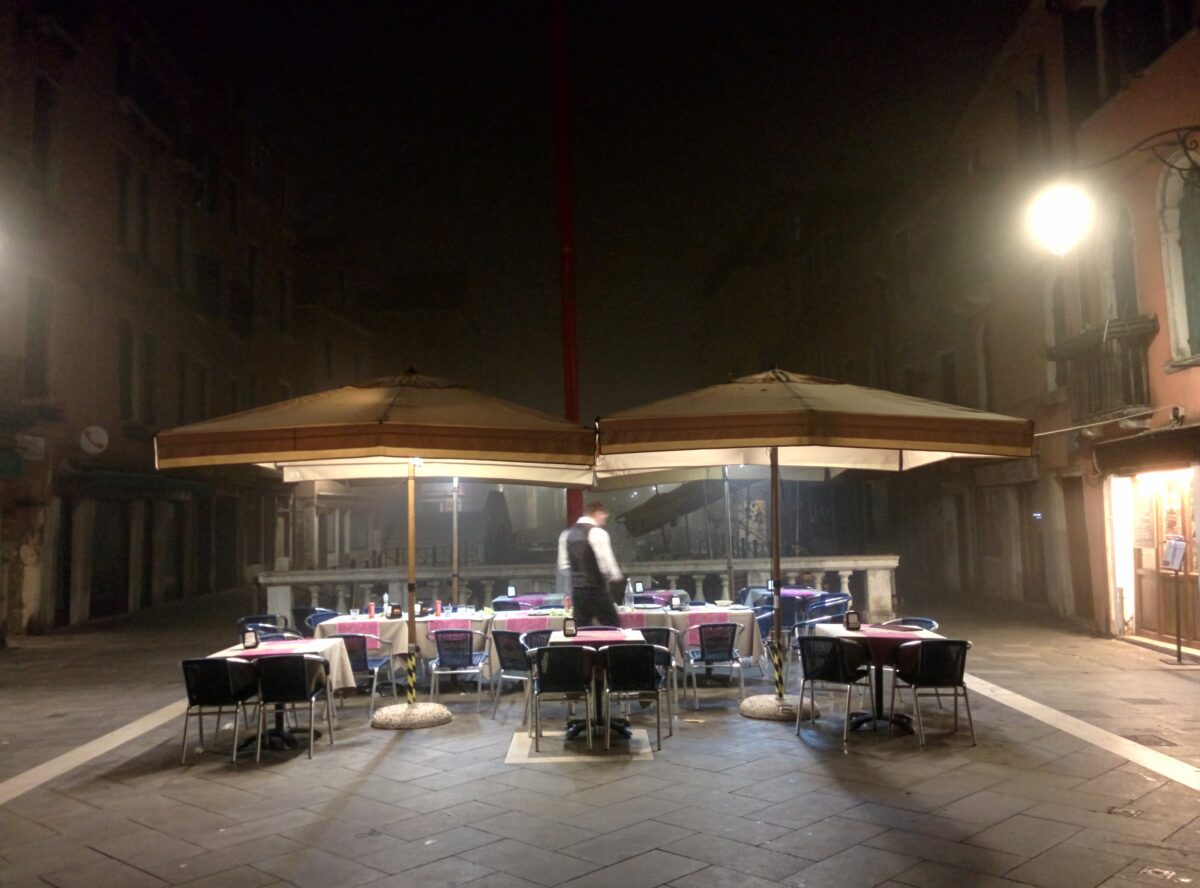
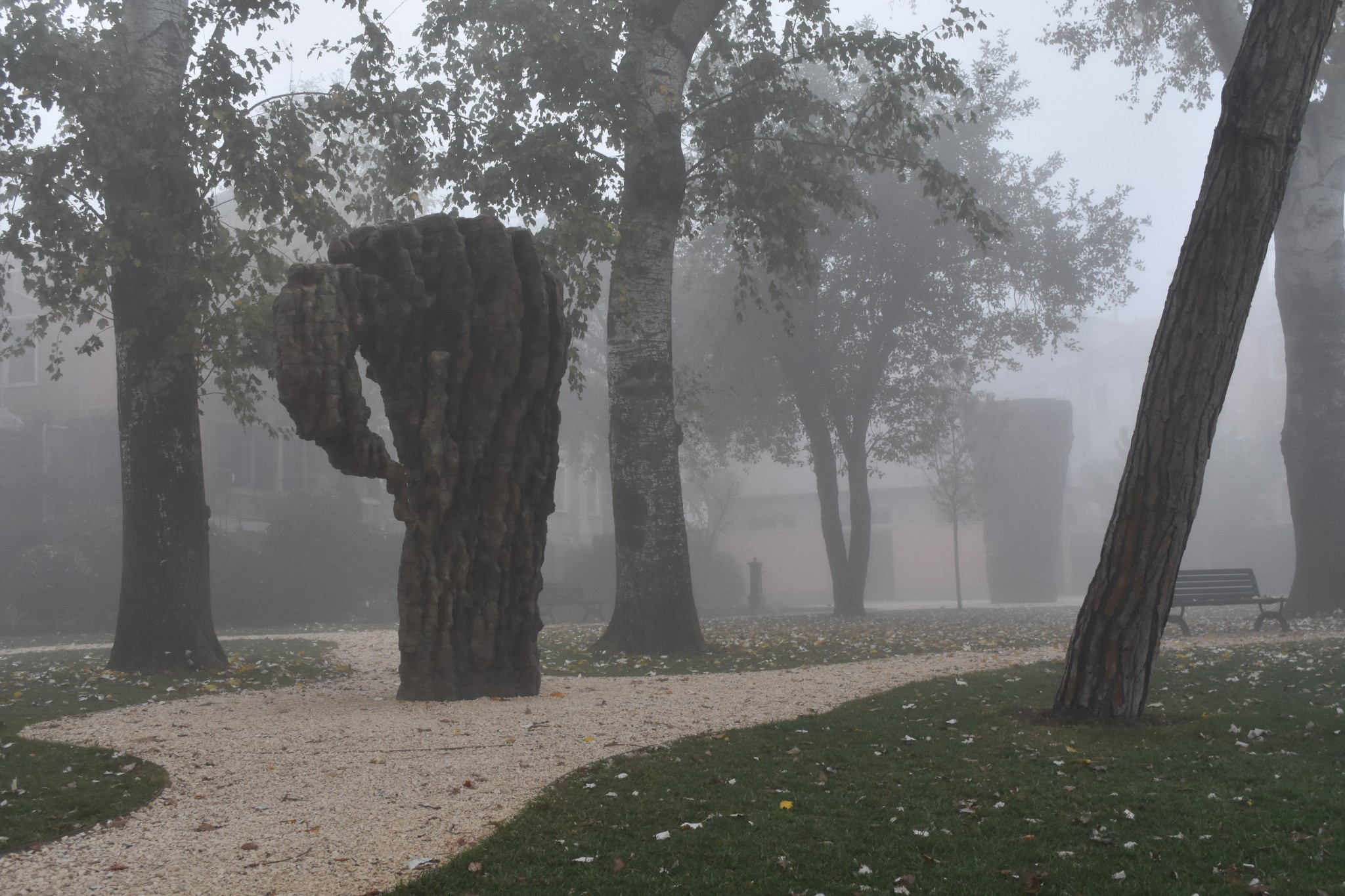
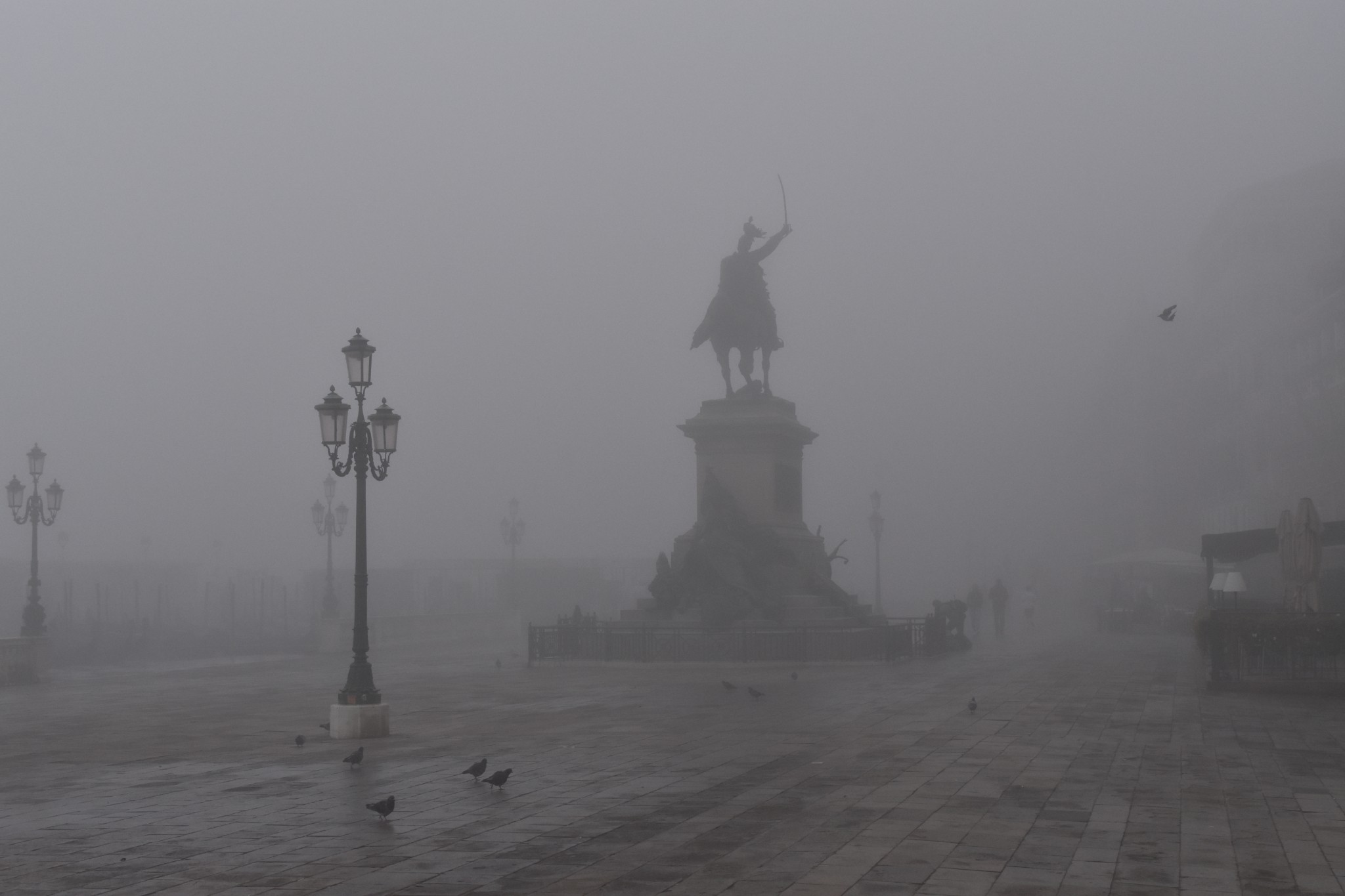
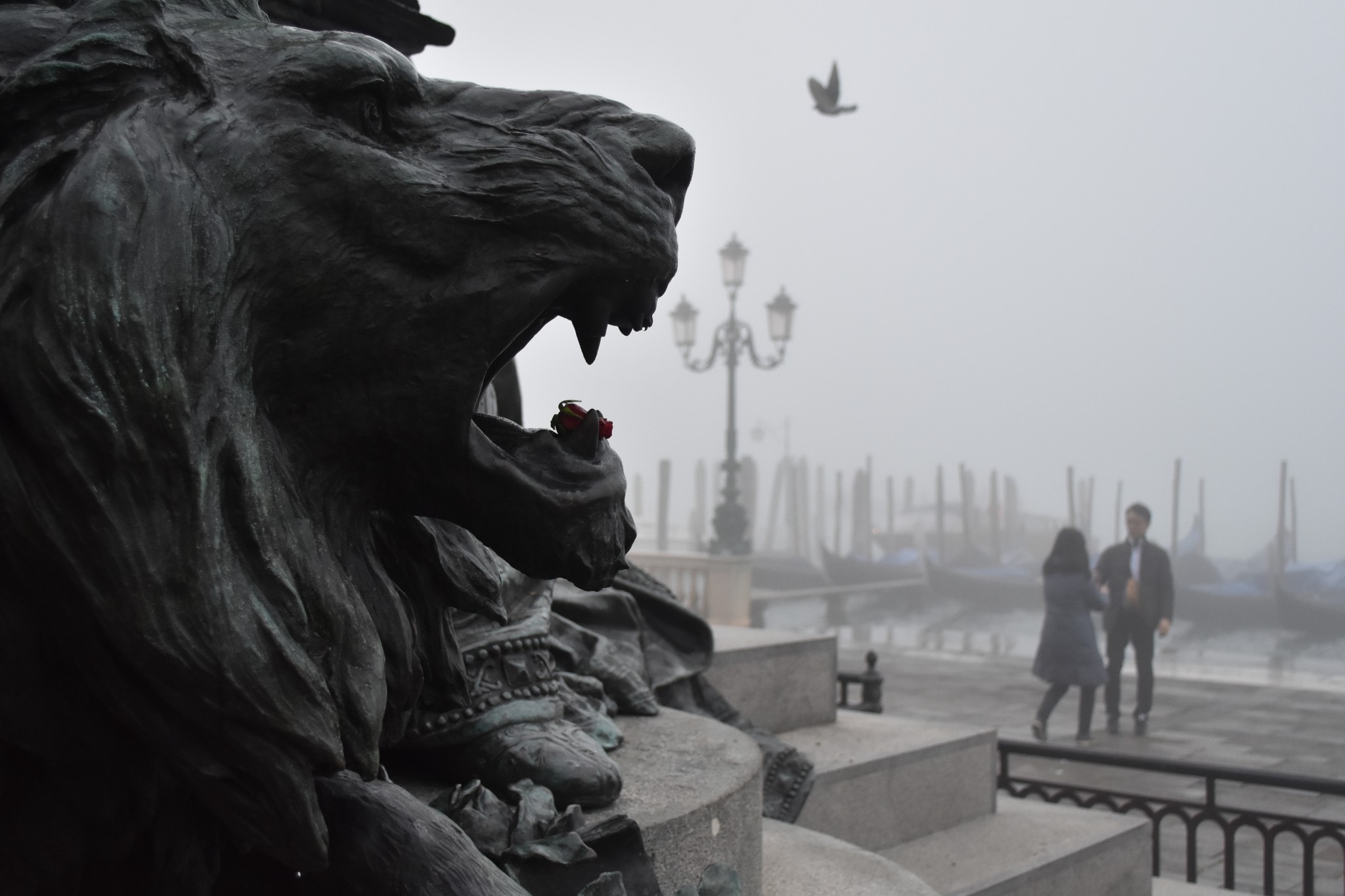
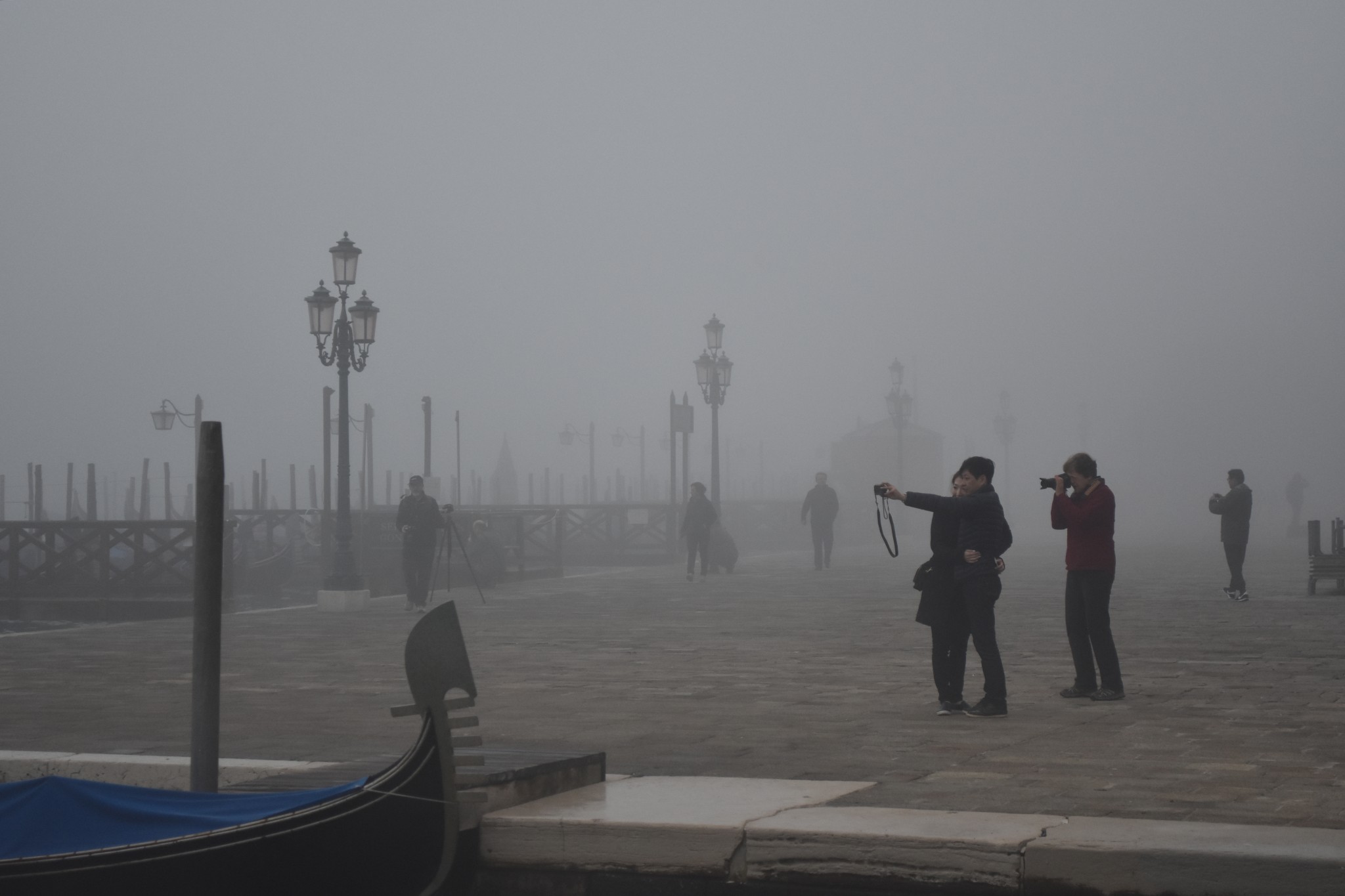
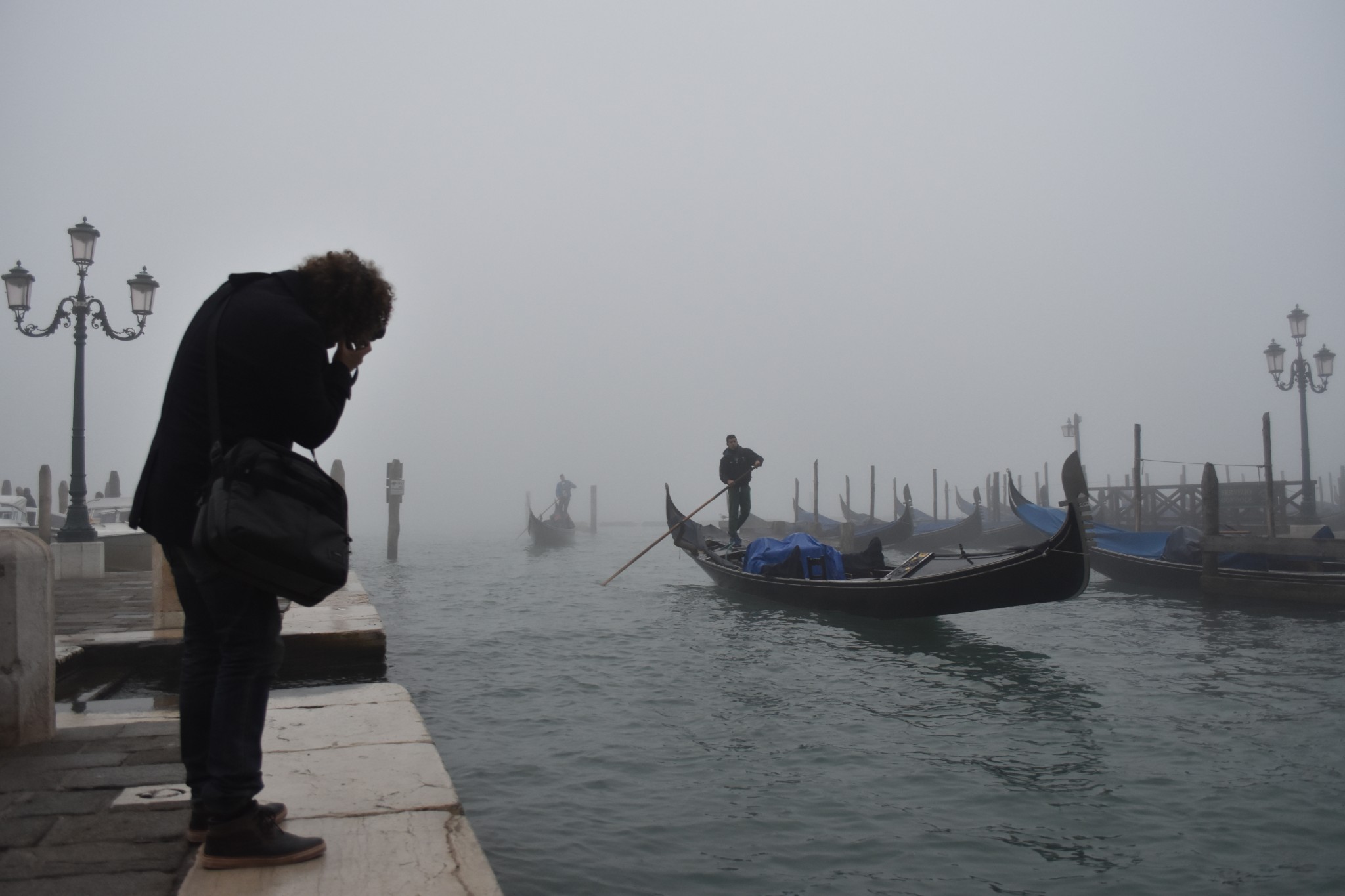
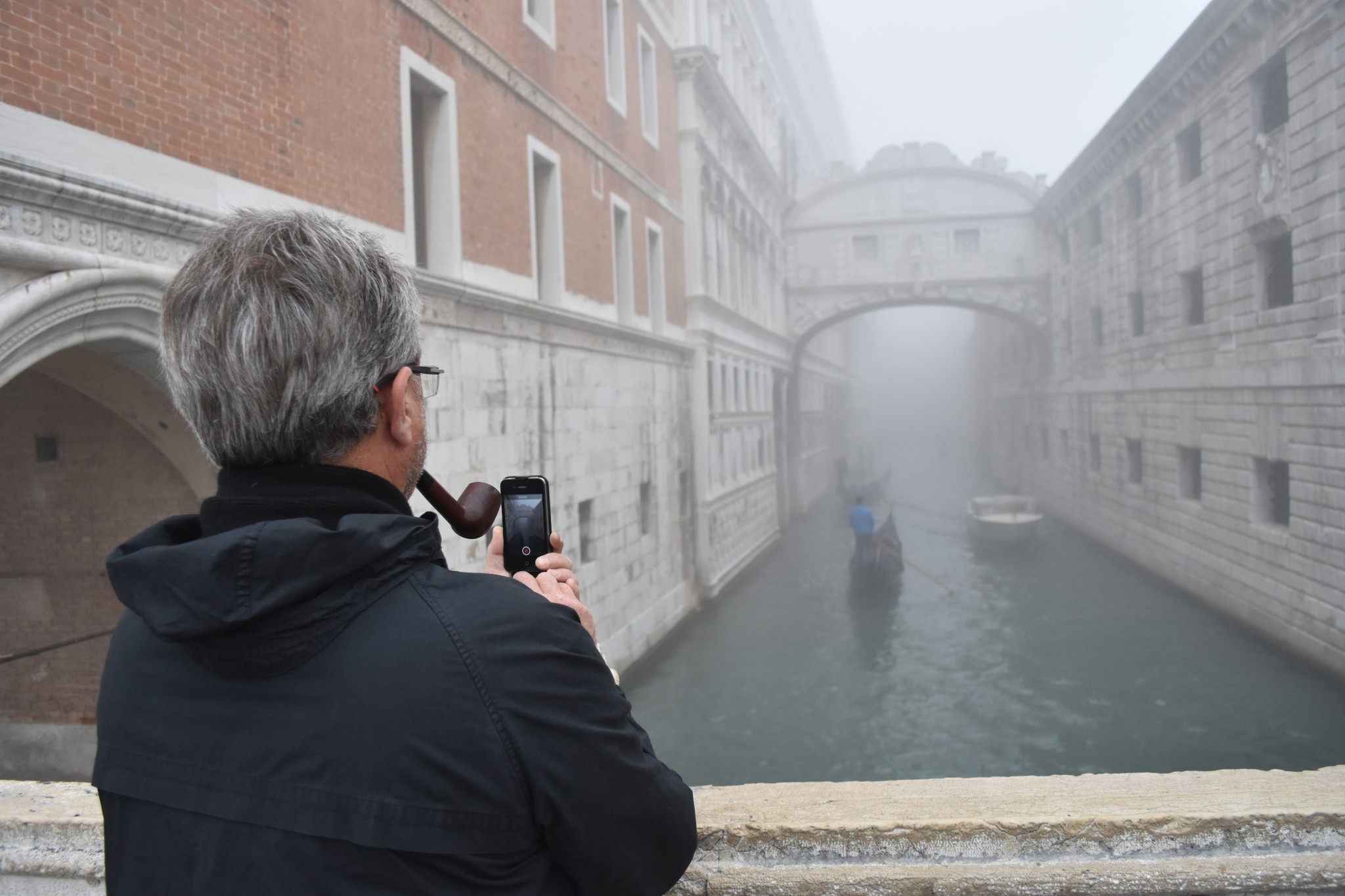
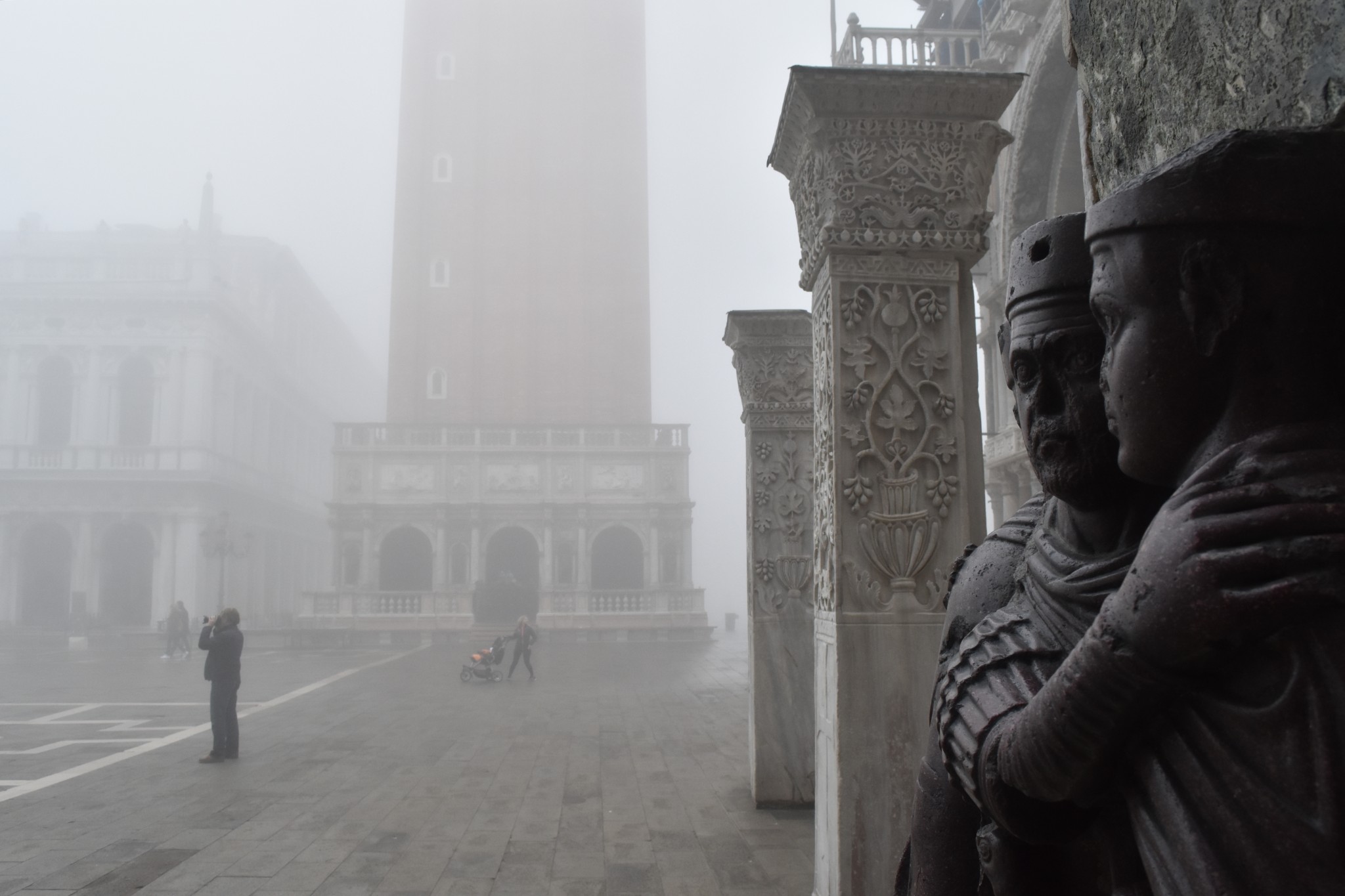
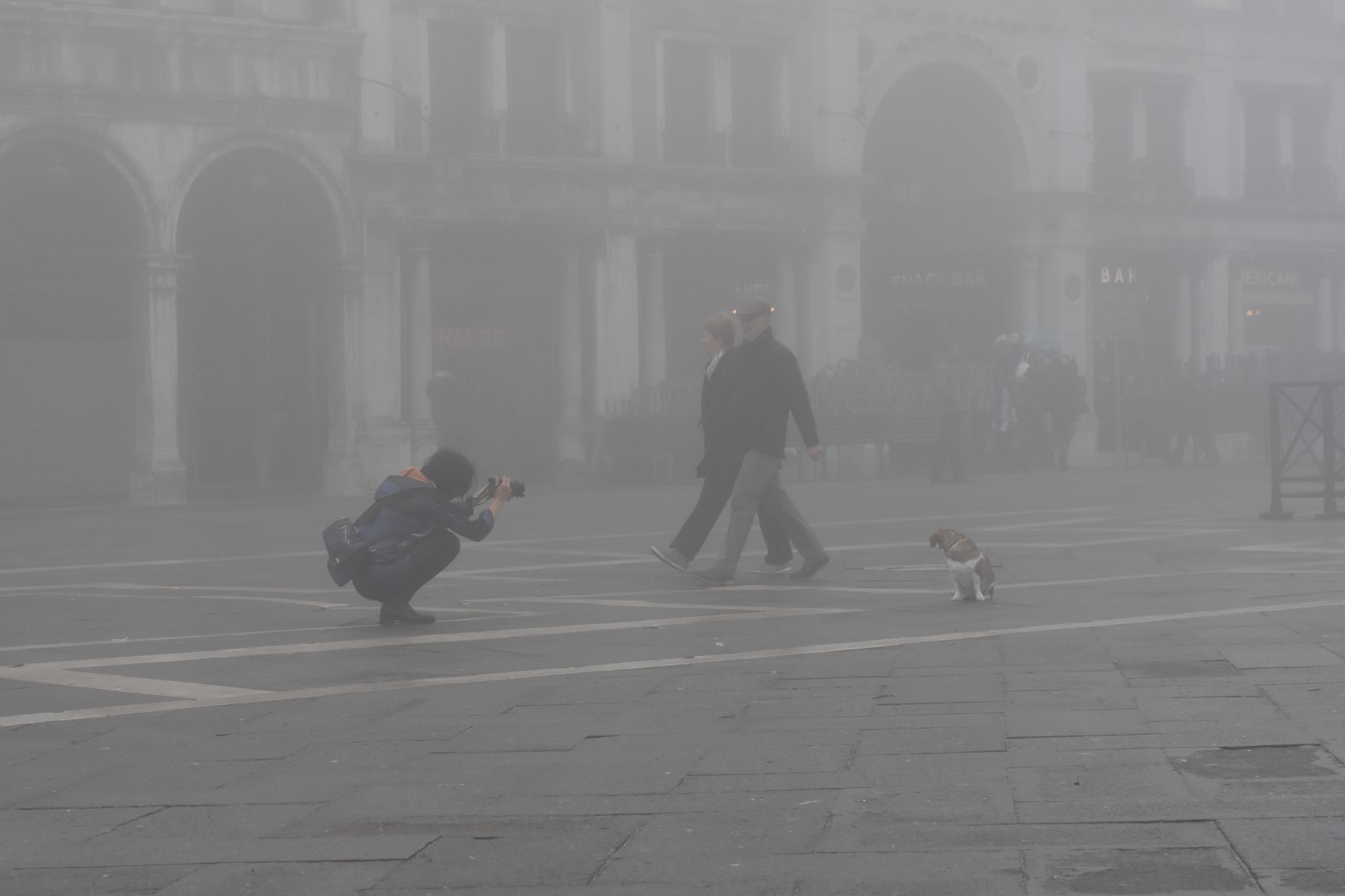
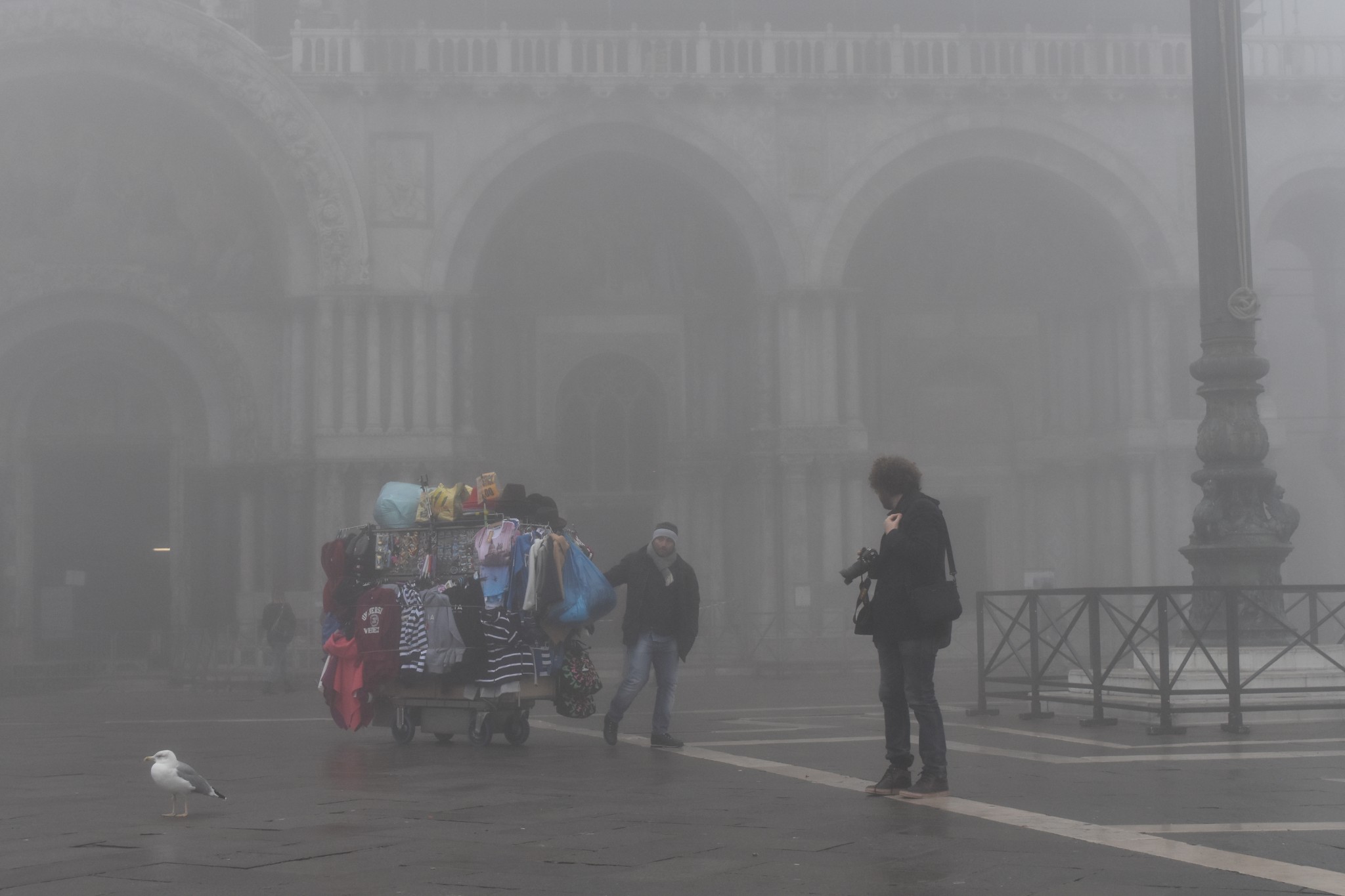
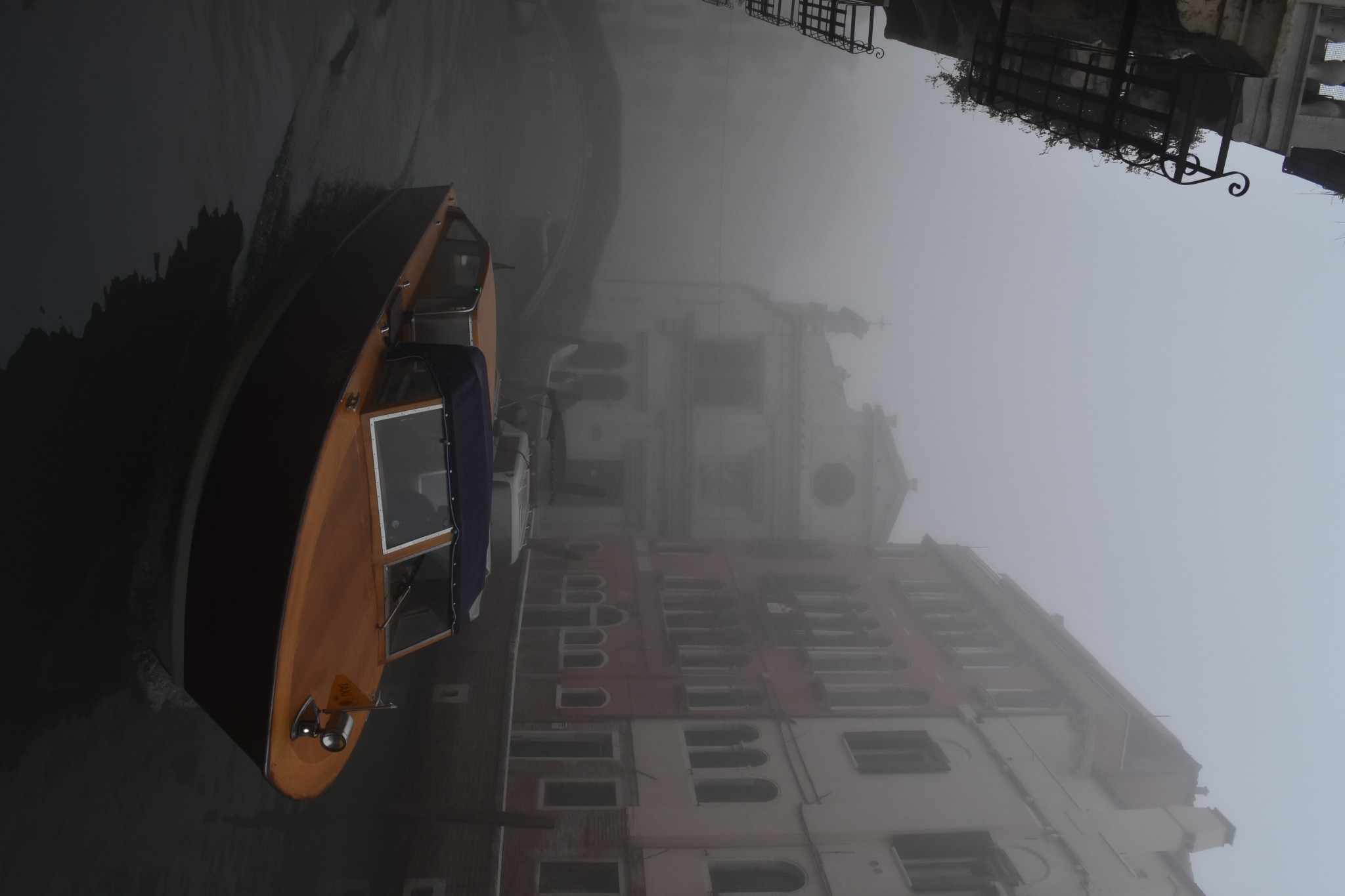
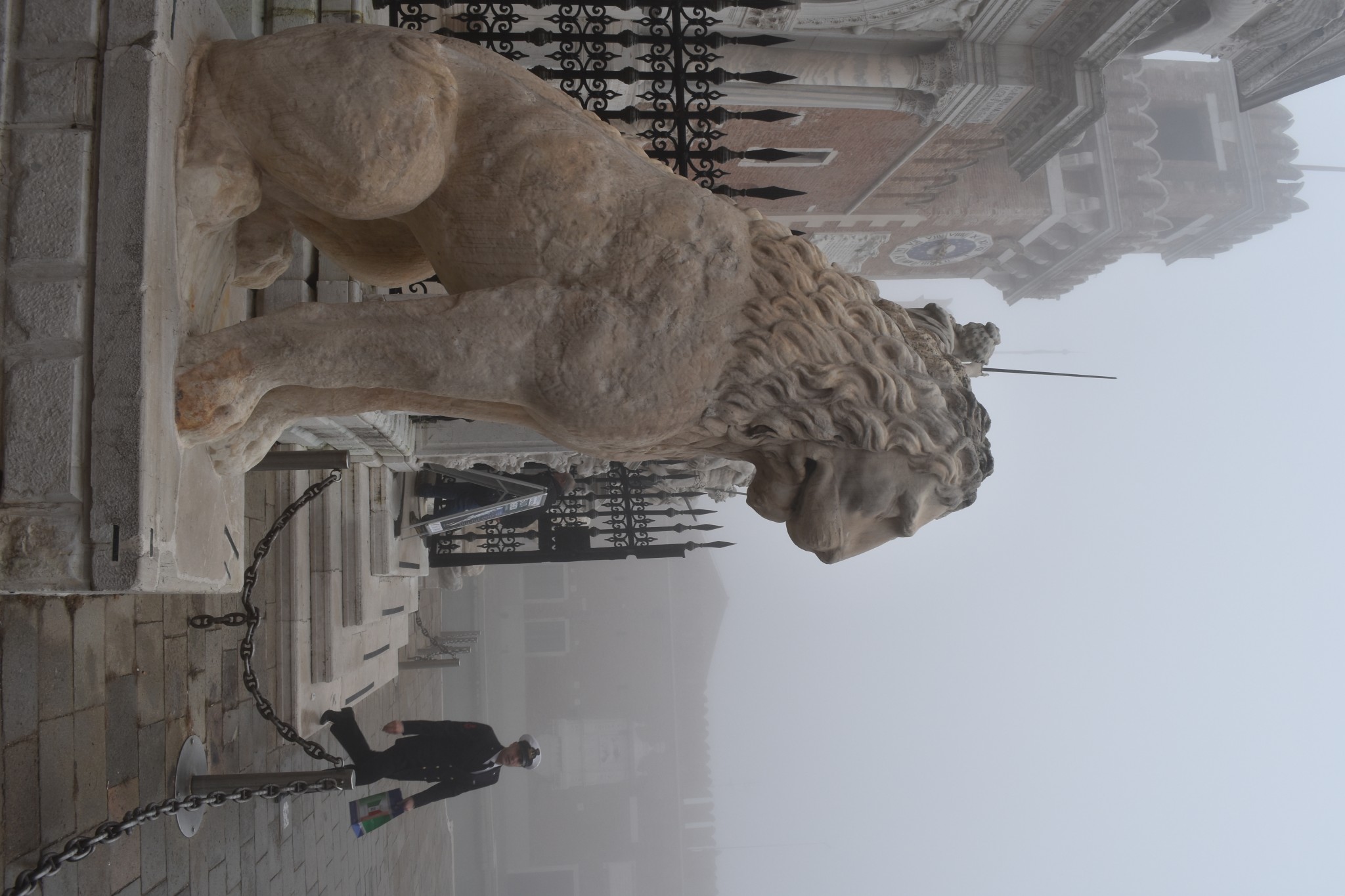
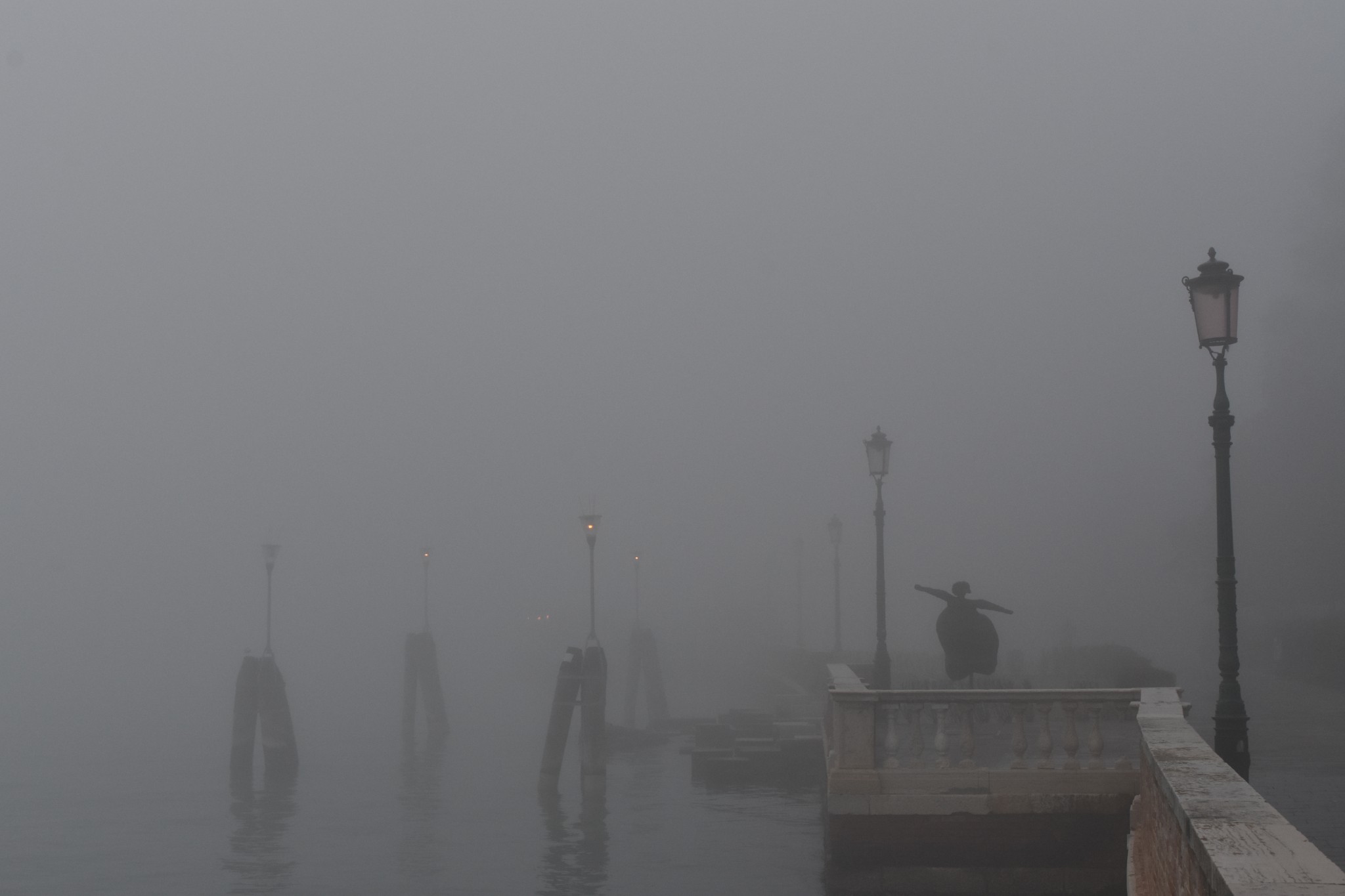
    We’ve had a good deal of fog this winter, but still no snow. These photos are from the St. Mark’s and Riva dei Sette Martiri in Venice.
  • Saint Mark’s evening fog

    Saint Mark’s evening fog

    Saint Mark's square on a foggy evening around Christmas
    Saint Mark’s square on a foggy evening around Christmas
  • War in Venice

    War in Venice

    Warship moored in central Venice
    Warship moored in central Venice
  • Another foggy day

    Another foggy day

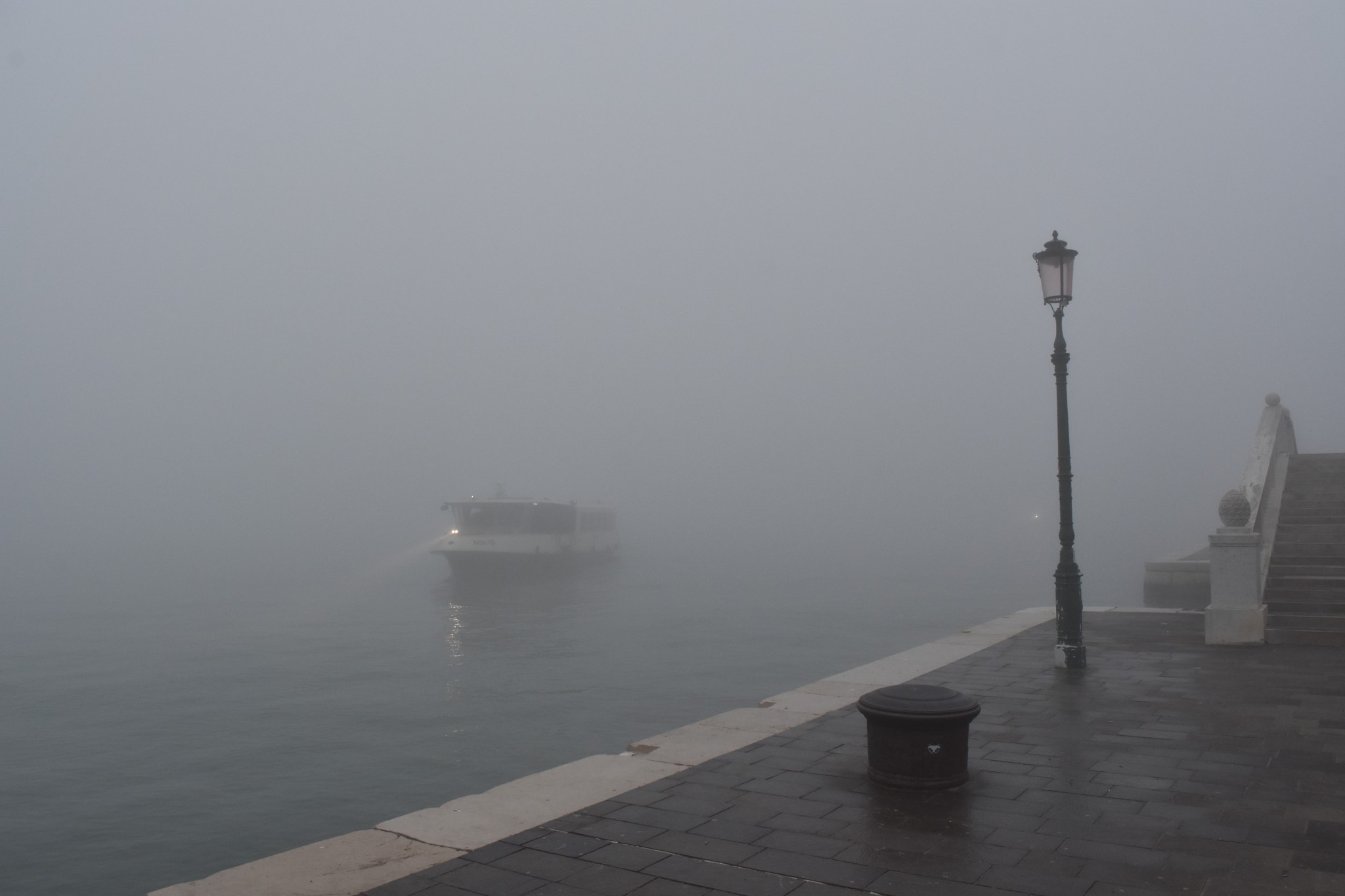
    Another foggy day in Venice  with interruptions of public transport
    Another foggy day in Venice with interruptions of public transport
  • La Ruvida

    La Ruvida

    Today we went rowing in Venice. Is a hard job, but somebody's got to do it.
    Today we went rowing in Venice. Is a hard job, but somebody’s got to do it.
  • Schizophrenic  coloured cat

    Schizophrenic coloured cat

    Weirdly coloured cat at Forte Marghera on the mainland near Venice
    Weirdly coloured cat at Forte Marghera on the mainland near Venice
  • Misty day on the Certosa island

    Misty day on the Certosa island