Category: Featured

  • De-googling

    De-googling

    I have tried for ages to de-google. Not just from Google itself, but all the big ones — Google, Apple, Meta, Amazon. However, de-googling is not easy.

    The main problem is that of surveillance capitalism. These giant corporations — and many others — spy on you to sell or exploit the data for commercial purposes. While you can decide not to buy, they can used that information for other purposes.

    Once the information is there, it will be used, and often for nefarious purposes to our own detriment. Often, once we’ve lost control of our data, it’ll be used against us.

    One example: a recent case in the USA where mother and daughter ended up in prison for an abortion performed in another state, based on their Facebook messages, willingly handed over by Meta.

    It is very much in our interest not to give these corporations our data.

    We can do something, but it is not easy and it doesn’t go all the way. It can be very hard indeed, if you have family, friends or even a job, and most of us do.

    I also have the advantage of being tech-savvy — my wife or friends would not be able to do much of this.

    This is a run-down of what I have tried to do so far, with a short discussion of the problems at the end.

    Computers, phones, things

    We’re surrounded by computers. Everything has a computer inside, often with with more computing power than what was used for the entire Apollo program to put a man on the moon.

    Desktop computers

    All our computers are running Linux and have for decades. I started with Linux in the early ’90s, and with Unix in the mid ’80s, so it’s second nature. There are no closed source software on the computers.

    Everything I need to do with a computer, I can do with Open Source software. My wife is generally happy with a browser, a mail program and an internet connection.

    We have one Windows installation, which rarely boots, but its there in case it’s needed for my wife’s work. In practice I boot it every few months for updates, in case she’ll need it. It is, however, not used unless there’s some kind of emergency.

    During the Covid lockdowns she worked from home, which required a bit of proprietary software. It was available for Linux, and we had no Windows computer then, so that was how she used it.

    We do have Chromium installed on the computers, but only use it for emergencies. I use Firefox with lots of containers, so all Google activity is in one container, Meta in another, search results (through DuckDuckGo) in its own, and all my private sites and activities separate.

    Cellphones & tablets

    Our phones and tablets are all Android. We’re completely embedded in the Google eco system. There’s no easy escape. The hardware is usually locked down, and the systems won’t work without several of Google’s apps.

    Alternatives to Google Android often lack essential functionality (see below about Banking and Public administration).

    I do have some dubious apps on my phone, because in the end you’re forced to make compromises, even if you’re self-employed. Most notably I need the apps that will get me paid for my services, such as apps for my bank and for credit card processors.

    I have avoided the worst, especially social apps from the big culprits, and I use the mobile sites as much as possible. I can check Facebook and Twitter without the apps, at least for now.

    We both have DuckDuckGo installed, including the VPN part which blocks trackers embedded in other apps. It is amazing how much data is sucked out of your phone by just about every commercial app in existence.

    Internet of things

    We don’t really have a lot of ‘things’ online. For now its limited to routers and printers.

    We try to get stupid appliances, or alternatively, not to connect them. This will probably get harder and harder in the future.

    If I have to, I’ll put up a separate Wi-Fi network for such ‘smart’ appliances, so I can check on traffic and so they can’t reach our computers and phones.

    Banking and public administration

    This is one of the larger systemic problems. Banking and online access to public administration is now locked to our phones and without their apps on our phones we’ll have real problems in our daily lives.

    Even if you try to connect to your bank or a payment service from a desktop computer, there’s usually a two-factor check with an app on your phone.

    Anybody who’ve lost their phone will have some horror story about losing access to bank accounts and public services, and about regaining that access on a new phone with a new SIM card, even if its the same number.

    Telephone numbers are often used for identity validation.

    Social media and messaging

    Social media and messaging have become a large part of our lives, and an equally large attack surface for the surveillance predators.

    By now social media are unavoidable, but most of the companies behind are the worst of the surveillance predators.

    I try avoiding the apps on my phones and tablets, by using the mobile sites through DuckDuckGo as much as possible. Consequently, I have so far been able to avoid the WhatsApp, Facebook, Messenger and Twitter apps. Messenger doesn’t work on the mobile site, on purpose, so I only check that on the computer.

    I live without WhatsApp even if many people cannot understand how it is possible.

    Mastodon is the lone exception. I have the app on my phone, but Mastodon is different (I hope).

    Signal is the obvious correct choice of messaging app. However, in reality I use Telegram the most, because that’s where the people I need to talk to are.

    That is the main problem with messaging. Everybody else is on WhatsApp, Messenger, Telegram, Snapchat, Discord, and so on, rather than on the safest and most secure systems, like Signal.

    The reason is — obviously — that the same surveillance predators push us hard towards their own offerings, because the data they can scoop out of our devices are just too good to leave to others. That is also why they make it so hard to use their services detached from your phone.

    I don’t have most these apps on my phone, but we both have some because of work requirements.

    Documents & sharing

    After the revelations of Edward Snowden — tens years ago — I moved our files and as much as I easily could away from Google Apps where I had a free setup. I had a company back then, and that moved too.

    Since then we’ve had most of our files on an instance of initially Owncloud, later NextCloud, installed on a VPS. We ended up using it a lot, and space is often tight on such VPS’es so I set up a separate instance on a NAS we have at home.

    Consequently, I have practically all my files in some NextCloud folders, synced with one of the two instances, which is very handy as I can walk from one computer to the other easily, yet the files will arrive there first.

    Mail, calendars and contacts

    The Google Apps setup (actually two, one private and one for the company I had some years back) served mostly for mail, calendars and contacts.

    Therefore, all that data was on Google servers.

    When Google removed the free option on Google Apps I finally moved the difficult bits — mail servers are notoriously difficult — to another VPS running Mail-in-a-box.

    MIAB — as it’s often shortened — is nothing short of fantastic. It basically automates all the difficult parts of running a complete mail server. In that box is a mail server (Postfix), IMAP (Dovecot), web-mail (Roundcube), anti-spam (spamassassin and postgrey), DNS and some more bits. There is also a minute Nextcloud instance — running of an SQLite database — for contacts and calendars.

    Since modern mail requires lots of entries in DNS for all the domains, MIAB has an integrated DNS server, which is now primary for all my domains, with secondary on one of the other VPS’es. That’s another tiny bit of data — but a very important bit of data — brought under my own control.

    Obstruction

    The main problem with a private mail server is that the surveillance predators don’t want you to, and make your life difficult, just because they can. All the mail passing through the mail servers of Google, Microsoft and Apple is a treasure trove of data for their advertisement networks and now for training their ‘AI’ — which illogically is short for Automated Plagiarism.

    While probably some 80% of the spam hitting my server comes from Hotmail, Microsoft is also the only one who’ve repeatedly blocked my mail server because of ‘spam.’ In reality they just randomly block entire subnets of IPs for various hosting providers, so if somebody is sending spam from an IP address in the same block — which is out of my control — they block the lot. In any case, I’ve had had to open tickets with Microsoft repeated for ‘mitigation’, and recently it’s been working reliably.

    Mail servers have always been obnoxious to administer, but MIAB generally just runs smoothly. I spend very little time on that server.

    Data safety

    Our data is on our servers, so we’re good, right?

    Wrong!

    Google is still there

    While mail, contacts and calendars are now on my own server, through software I trust, Google hasn’t really left the building.

    All that data still passes through our cellphones, which run Android and Google apps.

    I use an open source mail app on my phone. That’s the easy part.

    Calendars and contacts are synchronised with Nextcloud by DAVx5. However, I need a Google calendar for one of the places I work with, and I’ve found no open source app to synchronise that. I therefore must have Google Calendar installed and active on the phone, so that’s the calendar app I use.

    Files on VPS’es

    The VPS’es I have all run Linux. There’s a mail server and a couple of web servers.

    They are with an external provider, and that external supplier obviously has access to the physical disks where our files, mail, contacts and calendars are stored.

    That’s the nature of things. If you have physical access to a storage device, you have access to the data.

    I could encrypt the file systems, but it will probably prevent an automatic restart of the servers, if that should be necessary. Servers need to reboot unattended, but the hardware is not under my control, and it is not entirely up to me to decide a reboot. If the encryption key is stored on the server, I have gained nothing as they’ll have access to the key.

    So what have I gained?

    Firstly, both the hosting provider and myself are in Italy, so the legal situation is rather simple. My data is on some random disks in a data centre, but under Italian law. That is a lot better that having your data who knows where under who knows which laws of who knows which jurisdiction.

    Secondly, while I don’t have full control over the data, the data are not accessible by the surveillance predators. Those who could gain access are Italian law enforcement and Italian courts, but private entities cannot.

    Thirdly, even the files I have on the NAS in our home are within the reach of Italian law enforcement and Italian courts. The same court order which can give them access to the hosting provider’s data centre, can give them access to our home.

    This is still orders of magnitude better than having your data directly on the servers of one of the surveillance predator corporations.

    Major problems

    As should be evident, what I have done to secure our private data is not perfect. There are problems, and there are some major problems.

    Android

    The glaring hole in al this is obviously the phones and tablets with third-party apps, not to speak of Android itself.

    A central part of our daily lives is directly controlled by an America advertising giant, one of the main surveillance predators.

    Next time I need to get a new phone — if I have the money — I’ll try a de-Googled Android phone, like a Valla Phone. Unfortunately, Google-free Android phones are more expensive, so if you’re short on money they might be out of reach. As always, being poor is expensive.

    I also need to be absolutely sure that essential apps do work on such a phone, because I rely on apps to get paid for my work, and I rely on apps for banking and for access to public administration.

    Social media — social pressure

    Social pressure around social media is a problem.

    Outside pressure, such as my wife’s work requirements, can easily force you to have apps on your phone which really shouldn’t be there. In her case we’re not talking about work specific apps that allow her employer to spy on her, but general purpose apps which allow mega-corporations to spy.

    I probably make a bit less money because of my refusal of using WhatsApp, which is what everybody wants. I get asked about it continuously.

    De-googling is not easy at all.
  • Koha Library Software

    Koha Library Software

    When my father-in-law died some years ago he left us a small, but very eclectic library. He was a painter, so there are loads of books on painting and painters, but also art and antiquities in general. Add to that novels, poetry and then there are our own books.

    All in all there are at least a thousand books, and maybe twice that. We don’t know yet.

    My wife is a librarian, so she asked to setup some system to register them all.

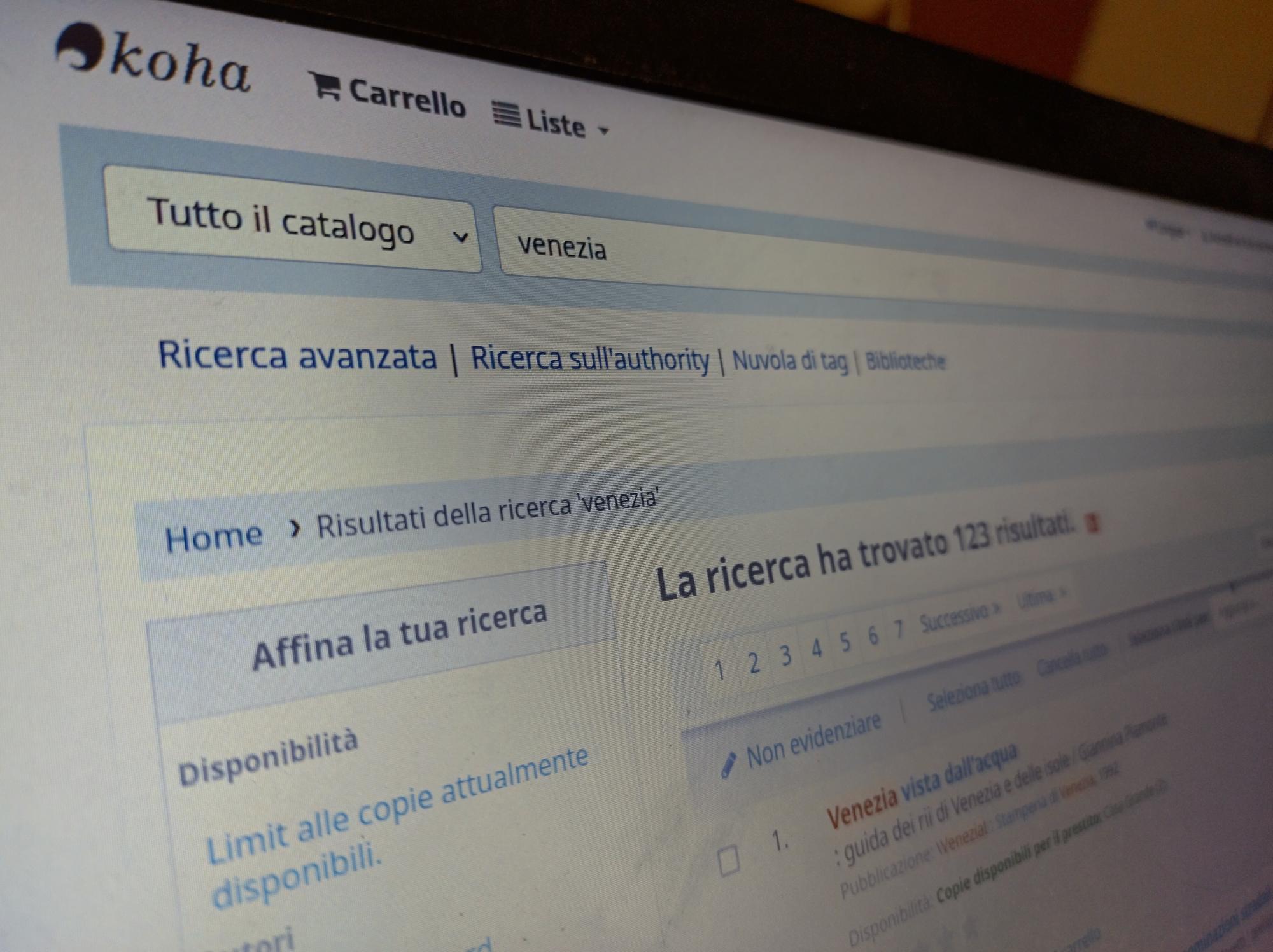
    After a bit of searching I found Koha – an open source library management system which has a vibrant and active community of users and developers.

    Installation

    This kind of software is not straight-forward. You need technical knowledge, in this case Linux, Apache, MariaDB and Perl, and you need to understand a good deal about cataloguing, bibliographic metadata, Z39.50 and how libraries work in general.

    A first attempt at installing Koha on an existing VPS, which I used for WordPress web sites, failed with all sorts of Debian dependency issues, so I opted for a new VPS with a fresh install of Debian 11, as per the Koha recommendation.

    Firstly, if you want Koha to work, follow the installation instructions slavishly. They’re very good.

    Secondly, don’t be tempted by the ‘–letsencrypt’ option to the koha-create program. It doesn’t work, and it is far easier to edit the Apache configuration afterwards to use the ‘md’ Apache module for web site certificates.

    Thirdly, when configuring the first instance (a Koha installation can run several instances for different libraries) read every point carefully, and if in doubt about something, check it. You might not use all those “Typical patron categories” but it is far easier to delete them than to setup you own from scratch.

    Fourthly, when you have the instance running, enter the staff interface, go to “Koha Administration” and then “MARC Bibliographic framework test” and fix the errors. At least in my case, a fresh install had framework errors, and not trivial ones either. It took me a while a a few attempts.

    Bibliographic Frameworks

    Bibliographic frameworks are not just different ways of displaying a MARC record. They decide which fields are saved for a record. If you switch a record to a simpler framework and back again, you lose data.

    You need to get the bibliographic frameworks right before you enter or import lots of records.

    A freshly installed system has a default framework, an “Acquisition framework” which is very simple, and optionally a “Fast Add Framework” which is even simpler. The latter doesn’t even save the ISBN number.

    Within “Administration > MARC frameworks” individual frameworks can be added, deleted, modified, exported and imported.

    Export the default framework, add a new one, and import the data from the default framework into it. Then modify that local framework and use that for you records.

    In my case the default framework had lots of issues that I had to fix.

    Many fields are mandatory, so it can be really hard to get a record to save without errors. That led me initially to use the other pre-installed frameworks, which cause my records to lose lots of fields I didn’t want to lose.

    If you want to make many changes to a framework, export it as an OpenOffice spreadsheet file, modify that in LibreOffice and reimport it again afterwards. Keep backups of the spreadsheets, because an import error will leave you with empty and useless frameworks.

    Importing MARC records

    The easiest way of getting data into your system is to import the MARC records from other libraries who’ve already done the hard and difficult work of cataloguing the books.

    Get a barcode scanner, they’re as cheap as €20, scan the ISBN and you’ll find the MARC record in a jiffy. At least in theory.

    The common protocol for this is Z39.50.

    It is not easy to find the parameters for Z39.50 servers. There are many lists online, but much of the data is not current and often not valid.

    In Koha go to “Administration > Z39.50/SRU servers” to setup you preferred Z39.50 servers. It is fairly straightforward if you can find servers that work with public access.

    Servers like the Italian National Library System (SBN) have public access and serves the records in UNIMARC so I had absolutely no issues with them, which is nice as most of our books are published in Italy or are in Italian.

    If I searched on LIbrary of Congress in the USA, or on the British Library (you have to ask for access) I got results, but no titles, authors or any other data were displayed. If I imported the records, they were mostly empty.

    MARC flavours

    There are several flavours of MARC records. The major ones are MARK21 (or USMARC) and UNIMARC, but in Europe most countries seem to use some locally modified format of one or the other.

    We’re in Italy, so I configured our Koha instance to use UNIMARC.

    The problem with LoC and BL is, I discoved after a while, one of different MARC flavours. Our instance uses UNIMARC while LoC and BL use MARC21.

    Koha doesn’t convert from one format to the other when you import a record. Koha does ask you when you configure a Z39.50 server, which format the server uses, but it still doesn’t convert the data.

    This took me a while.

    MARC records are not XML, but in the X39.50 server configuration there was a fields for custom XSLT files. Maybe Koha worked internally with MARCXML which is an XML representation of a MARC record?

    Apparently lots of libraries use a program called MarcEdit to do this conversion between MARC flavours. It is written by a Terry Reese, and lo and behold if he didn’t have such “MARC21 to UNIMARC” XSLT files on Github.

    I downloaded his marc21xml2unimarc.xsl file, copied it to my VPS, entered the pathname in the Z39.50 server configuration, and suddenly my imports from LoC and BL worked perfectly.

    Cataloguing workflow

    Once everything is working you need to get data into your system. Fortunately it’s not that hard.

    Go to “Cataloguing > New from Z39.50”, scan the ISBN number on the back of the book, and pick best record for your edition of the book from the results. If your bibliographic framework is not too obnoxious, a few clicks and you have the record saved.

    Older or rarer books without ISBN numbers are a bit harder to find, but often a combination of title, author and year published will find them. We’ve even found Venetian tourist guides for the 1880s like that.

    Koha can allocate barcode numbers for all items automatically. I have bought sheets of labels and preprinted the barcodes, so all our books now have a barcode on the inside back cover. With the barcode scanner we can locate a book in no time, or just figure out on which shelf it belongs.

    Conclusion

    It’s been a bit of a fight installing and configuring Koha, but having a such a system, even just for a private library, is very useful.

  • Across the river, into the trees

    Across the river, into the trees

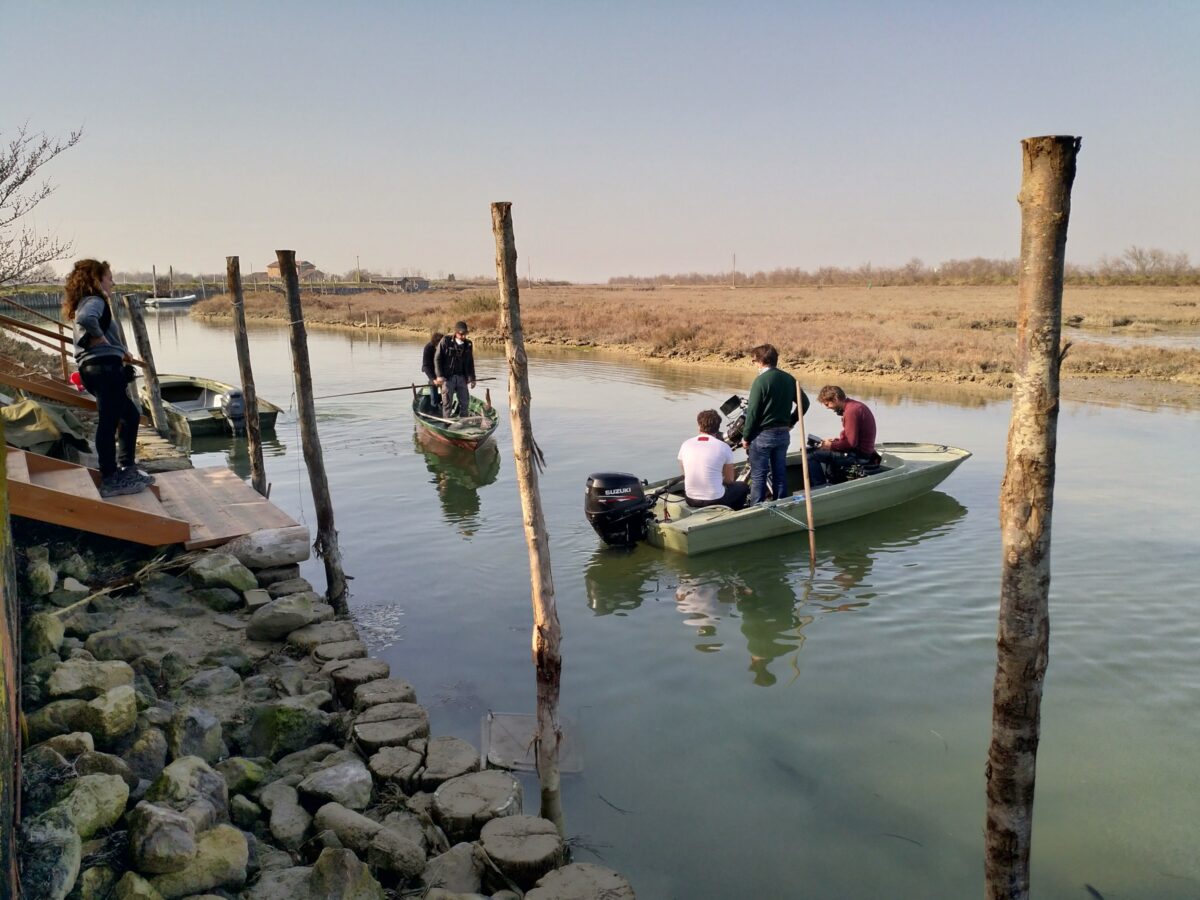
    Through a friend I got a job as a body double for Liev Schreiber on the set of a movie adaption of Hemingway‘s last novel Across the River, into the Trees.

    There are some scenes where the protagonist rows a Venetian boat, but Liev hadn’t managed to learn the technique sufficiently well.

    With a bit of makeup, a haircut and letting the beard grow we do look alike a bit. He looks older then me. He isn’t.

    So far so good. I was to go and do some rowing scenes instead of Liev, and I’m not somebody to let go of a chance to fool around in a boat in a movie, so I accepted.

    The boring part

    Then came the boring part.

    Or rather, the boring parts, because overall working as a double on a movie set is immensely boring.

    They kept calling me for all sorts of non-rowing things. I spent days going around knocking on doors searching for something nobody ever told me what was. Lucia, the double of the female lead in the movie, drove me up and down canals in a vintage motorboat for days on end.

    They would summon me for the most inconvenient hours, sometimes at 6am, other times at 8pm. Costume and makeup, that’s a couple of hours, then to the set in a motorboat.

    On the set I would sometimes spend ten to twelve hours doing nothing whatsoever, dressed up as a 1950s US Army colonel. Some days they would have me do something, most often as a stand-in, but other days I would do absolutely nothing.

    The most interesting days were with the second crew doing B-shots. At least I was doing something rather than just hang around.

    After a few weeks I realised that they only called me three days each week. They had everybody work 12-14 hour days, so after three days they’d have to pay overtime. That’s after 40 hours weekly here in Italy. The trick was of course to have us work a full week, but only pay us for three days.

    Kind of clever of them, but not exactly endearing. In the end we did very long days for much less than minimum wage.

    Finally, finally we arrived at the scene where I would be rowing, and they told me to be at base at 6am. I was on the set at 8am, and sat there until 5pm. When they eventually got to the rowing part, Liev wanted to do it. I had to wait even longer before he gave up.

    The rowing scenes

    Another month passed before we got to the final rowing scene.

    This was up in the northern lagoon, and I had to get up at 4am so they could pick me up in a car at 6am, and the days were just as long.

    The first day up there I did nothing. What they did didn’t actually involve any rowing, just the boat as a stationary prop.

    The second day I met a young man on the boat who proudly told me that he was going to row in the movie.

    The fools had forgotten why they’d called me in the first place, and had called in somebody else. We didn’t anything all day, as the camera crew didn’t show up. They hadn’t been paid.

    I spend the day fooling around in the boat, followed by a fairly good lunch. The next day the other guy didn’t come, and I got do the rowing bit.

    Then, when I thought the ordeal was finally over, they asked me to go to Trieste for another scene there in a car on a road overlooking the Golf of Trieste.

    The Aftermath

    The Italian production company behind Across the River, Into the Trees hadn’t paid anybody for two months, and there was a lot of grumbling on the set the last few days.

    That’s why the camera crew didn’t show up one of the last days.

    The company kept promising, and kept not keeping their promises. Their lawyers even sent formal letters with promises that weren’t kept.

    In the end I had to threaten repeatedly to withdraw the permission to use my image in the movie to get them to pay. They only paid me in September.

    I was on the set a bit in December 2020, then a good deal in January and February 2021, and a few days in March.

    They didn’t pay friends of mine, who manage places where the second crew stayed and ate, until later still.

    Needless to say, I’m not going to run around looking for movie sets. It’s probably the most boring job I’ve ever done, and my first job as a teenager was washing dishes.

    The movie Across the River, Into the Trees

    The movie is still in post-production. I have no idea when it’ll be out, or even where.

    I don’t think my name will be in the credits, but I’m at a point where I frankly don’t care.

    The shots where the colonel is seen from the back or in the distance will most likely be me rather than Liev, though I know he did some distant shots too.

  • Death

    Death

    I thought it a good idea to send my bicycle by train from Copenhagen to the Brenner pass, and then do the rest of the trip to Ancona in the Marche in central Italy by bicycle.

    Everything worked out, and soon I was on the main road towards Bressanone/Brixen which I reached an hour later.

    That were sixty kilometres and a change in altitude of about 1000m. The road had hair pin turns, went through long tunnels and across tall bridges, but I moved at the same speed as the cars on the road.

    I had never done anything like it. The sense of excitement and achievement was immense.

    That was some thirty years ago. I was in my twenties. The thought that a twig on the road could have sent me hurling off a tall bridge or into a deep ravine never crossed my mind.


    Last August my father-in-law was diagnosed with pancreatic cancer.

    After several periods in two different hospitals, the doctors gave him two months to live and they sent him home.

    We decided that we could care better for both of my in-laws if they stayed with us. Thankfully they accepted.

    My father-in-law stayed with us for five months. A group of doctors and nurses came to our home several times each week, so we had support, but all the day to day care was on us.

    It was a slow protracted decline. My mother-in-law who has always had severe mental health problems flanked by dementia, went downhill alongside her husband.

    I don’t think either of them really understood or accepted what was happening.

    In January his health was so poor that we struggled to provide sufficient care for him. Even if we didn’t want to, we had to ask for a place for him in a hospice in Venice.

    We didn’t have to wait for long, and he was moved by ambulance to the hospice on a Saturday morning.

    He was there. He interacted with the nurses. He even made jokes and thanked us for having provided such a nice room for him.

    The nurses told us to sleep at home, and get some rest. We would need the energy later, they said, so we went home.

    The next morning, when my wife returned, he was hardly there anymore. She called me, and put the phone to his ear for a salute, but we don’t know if he heard me.

    That afternoon I prepared our bags to stay the night there, and we settled in expecting a long wait.

    Around ten his breath became irregular, then sporadic, then it stopped.

    It was peaceful, my wife held his hand and spoke to him between the tears.

    I had never experienced anything like it. The sense of sadness and impotence was immense.


    Death has been with us since, and looking back, also before.

    Two weeks later my mother-in-law died in hospital, most likely of Covid19, as she had all the symptoms.

    We’ll never know for sure, however, as there were no tests available at the time.

    We spent the next three months in lockdown. The news were little more than about many were infected and how many had died each day.


    Death is always with us, even if we choose not to notice.

    Looking back after what we’ve been through this last year, and I see things that I chose not to see back then.

    Four years ago I had a stroke. It wasn’t that serious, and in little more than a month I was back kayaking and rowing. It would have had to much different, though, for it to have been the end.

    Two years ago a idiot headbutted me, and broke my nose. The fracture was uncomplicated and didn’t leave any permanent scars. However, I still remember the suppressed fury of the doctor at the A&E when he told me that had the blow been ever so slightly different I would have been dead on the spot.

    Further back, memories of near accidents on a motorbike, kayaking in 3m waves because the wind suddenly turned, screeching brakes as I raced my bicycle across the road on my way to school as a child.

    We choose not to see, because the consequences are too huge to comprehend, but even in the most boring of human lives, there will have been hundreds of similar situations.

  • Cruise ship accident in Venice

    Cruise ship accident in Venice

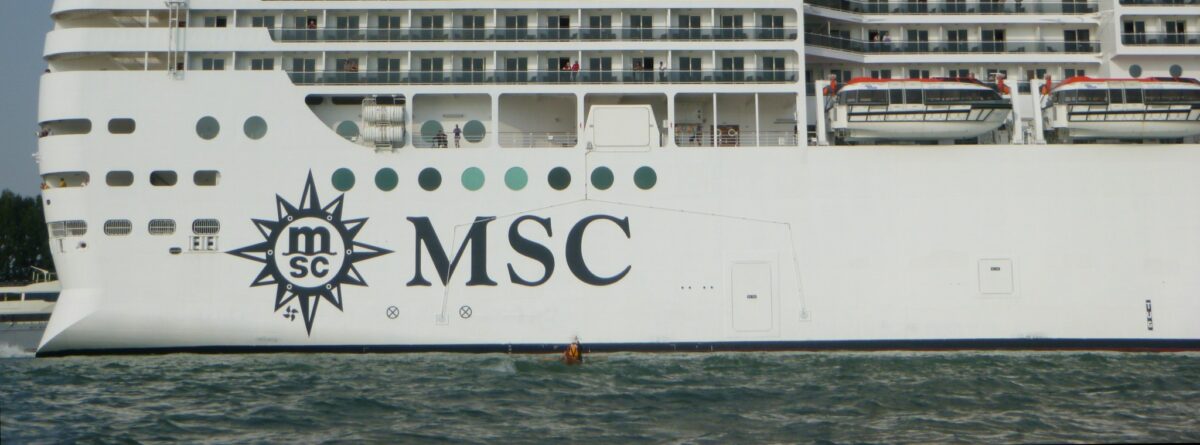
    This morning a huge cruise ship, the MSC Opera, lost control in the middle of Venice city, hit the quay and a moored ship.

    Four persons are hurt, but non seriously.

    This must be the end of these monsters in the city of Venice. Ships that size do not belong in the lagoon.

    Below are a handful of videos which show the dynamics of the accident from several different sides. After the videos I’ve tried to collect what information is available on the accident, the dynamics of it and its causes and effects.

    Video taken from the Giudecca island

    Video by Marco Fantuzzo

    Video taken from ashore

    Video taken from the ship

    Video taken from passing ferry

    The aftermath

    Where did it happen?

    It happened around 8:30am very close to the San Basilio vaporetto stop, which the MSC Opera very nearly hit.

    The map below shows the route of the MSC Opera within the lagoon and through the city, until the point of the accident.

    It appears obvious that if the accident could happen there, it could have happened earlier on the route as well, like just in from of St. Mark’s square and the Palazzo Ducale.

    This accident is no small matter. Venice was very lucky today.

    What happened?

    While the final story will only be determined later during the inquest which must be made, some statements have been made.

    Apparently the MSC Opera had an engine malfunction, which caused it to go full speed ahead in a very narrow space for a ship that size. Not being able to slow down, they also lost control of the direction, and the ship veered to the right, hitting first the quayside and then the moored River Countess (a river cruise ship quite a bit smaller than the MSC Opera).

    The cruise ships have one or two tugs attached, one front and one back, to help the ship turn the sharp corners on the route through the city. The ship advances under its own propulsion, and the tugs pulls it sideways front and back to turn.

    The tugs did what they could to stop or divert the MSC Opera, but they were no match, and at some point at or after impact one of the tug lines snapped.

    Apparently the MSC Opera moved at more than six knots at the time of impact, having accelerated from about 5 knots earlier in the Canale Giudecca.

    After having scraped along the quayside for a bit, it hit the River Countess in a way as to push the smaller ship away from the quay, breaking the moorings.

    The MSC Opera them came to a halt where there was a corner in the quay. The River Countess ended up on the outside of the MSC Opera.

    At impact a few persons fell or jumped into the water from the River Countess, and the impact shook the River Countess badly, causing many to fall. Two or five persons were taken to hospital (accounts vary) but nobody was seriously hurt.

    There were some 130 persons on board the River Countess, and up to 1700 passengers and 450 crew on the MSC Opera.

    Both ships stayed afloat. The MSC Opera has damages to the bow and from side. The River Countess has most of the bow destroyed. The quayside probably sustained the most damage.

    While this is all bad enough, had it all happened just a few hundred meters earlier, it would have been far worse. The MSC Opera would have hit a fondamenta (a sidewalk facing the water) and it would probably had destroyed the vaporetto stop at San Basilio, where people would be waiting for the boat.

    Afterwards

    Cruise ships arrive one after another in Venice, with about 30 minutes intervals. When the accident happened, others cruise ships were already entering the lagoon, and they had to stay put in the middle of the city for hours, while the two damaged ships were towed away.

    Removing the two ships has taken a good deal of the day.

    The Regata della Sensa and the Festa della Sensa, ancient annual Venetian celebrations, were scheduled to start half an hour after the accident, and most of the participants were already in the Bacino San Marco, when the entire event was called off. Nobody was told so, however, and the participants of the events only found out on social media.

    Many performed the celebration anyway, without the participation of the local authorities.

    Cruise ships in Venice

    The presence of cruise ships in Venice has been contested for years. Such large ships cannot manoeuvre in the tight spaces in the lagoon, as need of tugs to turn the corners show.

    However, the harbour is a state harbour run from Rome, and the major of the city is an industrialist with a sensitive ear for the needs and wishes of local industry, so nobody has paid any heed to the many grassroots movements who have warned about this for decades.

    Thankfully there were no casualties in this accident, bit it must lead to a stop of the monster ships entering the lagoon.

    The initial response of the major of Venice, Luigi Brugnaro, was that ships will have to enter the city by another route, which requires the dredging of millions of m3 of heavily polluted mud and sediments to open up the Canale Vittorio Emanuele II for the cruise ships.

    There are other suggestions which could keep the ship completely outside the lagoon, at sea where they belong, but lots of vested interests are opposed.

    Some of the issues with the alternative routes are discussed here and here.

  • Penny

    Penny

    Last Tuesday I placed the most difficult signature of my life on the most unwanted piece of paper ever.

    I signed away the life of our Penny.

    Penny came to us thirteen months ago. She was in a horrible condition.

    Months of neglect has reduced her to shadow of herself.

    Down to half her former weight and seriously dehydrated, her eyes sunken in to be almost invisible behind dark shades on her skin, some kind of infection around her eyes, mouth, nose and ears leaving a hard black crust. Even if she looked at us, it was like she wasn’t there.

    A walking ghost in search of somebody who wasn’t there any more.

    We took her in so she could die in a warm home, on a soft pillow, and not in a cage in the cold amongst strangers.

    The vet gave her a month, maybe two.

    Penny was stronger than that, though. She came back.

    Once we figured out what she liked, she started eating. She drank lots of water. She put on weight.

    We took her for short walks every day. Just a few hundred meters. It was all she could handle.

    There was grass and dirt. She didn’t know what it was initially, having lived entirely on the paved alleyways of Venice, but she soon found out that it was nice and interesting for an old dog, and she willingly walked there twice every day.

    There was a bar like the one where she stayed so often with her previous owner, and after a strenuous walk to the grass and back, she would rest between the tables, asking for treats with her characteristic double “vouf-vouf”.

    After a while everybody knew her, just like where she lived before.

    The hardest part was the stairs up to our second floor apartment, and she would often resist leaving the bar to confront the many steps up to her pillow.

    When it was too hard, we would give her a helping hand, or even carry her which she enjoyed immensely.

    She put on to much weight, so we had reduced her portion, of which she definitely didn’t approve.

    Her eyes came back alive and almost ceased watering, the black shadow healed, and the black hardened stuff on her nose, in her ears, around the eyes and her mouth disappeared.

    We brushed and gradually her fur became fitting for a beautiful collie, rather than the dense carpet it was when she came to us.

    However, you can’t turn back time, or even halt it.

    As the months passed, she became slower and more tired. She needed more help on the stairs. We stopped trying to take her for longer walks. She needed longer breaks at the bar.

    In the hot summer she suffered the heat. She could hardly breathe. We bought an air conditioning unit, and she slept just in front of it all summer.

    She continued to lie down in front of it, even when it became less hot and we turned it off.

    We thought it was old age, arthritis and general weakness.

    During the last few months there was a marked deterioration of her health. She was very short of breath, and would stop every few steps to breathe. She was very tired.

    Last Saturday we spend the entire day on the Certosa island, where my company has its office. We took her along, even if the walk was a bit longer than she would normally do. She was tired, but has a good place to rest and still wanted scraps of food.

    On the return trip her luck ran out.

    Stepping off the vaporetto to the platform, a wave moved the boat, and her hind leg got caught between boat and platform.

    We got her free, and on the platform, but she couldn’t stand. Her leg gave way, and she was bleeding profusely.

    I carried her to a safe spot, and we started phoning all the vets we could find a number for. Our own vet didn’t answer initially, and we were very scared. Penny was bleeding copiously, but didn’t complain and remained conscious and responsive.

    I carried her in my arms, best I could, the 6-700m to our vet.

    She had lost lots of blood, but was still responsive and didn’t complain.

    The X rays showed a fracture of her heel bone, and the blood was from skin wounds, deep but not life threatening.

    I carried her home, and we started searching for a veterinary orthopedic. It was a Sunday, and the worst emergency was over, so we were asked to call again Monday.

    The best clinic is in Thiene at the foot of the Dolomites, 90 minutes drive away. Living in Venice we don’t have a car, and need to take a vaporetto towards the mainland, so it became a three hour journey.

    We set off at 6am, and arrived the in a friend’s car at 9am. Penny was in a plastics crate from a bicycle trailer, and handle the journey well. She slept most of the time.

    Once at the clinic she was visited by a vet, an orthopaedic, a neurologist and an anaesthetist. They took a blood sample.

    We then waited for several hours. Penny was very tired, but she slept or at least rested as long as we were close besides her. We couldn’t leave as she would get very worried, twisting and turning to find the one missing.

    When the anaesthetist came back with the results of the blood test, it showed that Penny was very anaemic, and it wasn’t just because of the blood loss on Saturday evening.

    The only way to figure out if they could do the operation on her fractured heel safely, was to do a full body CAT scan.

    To do the CAT scan they would have to do a full anaesthetic, and they couldn’t guarantee that she would survive that.

    It wasn’t easy but I signed the papers and we sent her off for the scan.

    They told us we had half an hour to get a quick lunch.

    They called us back exactly half an hour later, and the news were devastating.

    An entire lung was one giant tumour, and the other lung was half full of fluids. No wonder she was so tired and short of breath.

    There was another tumour on the liver, so the cancer had probably metastasised.

    There was no hope. We tried to plead for any kind of way out, but all alternatives would only cause Penny more suffering.

    The fracture on the foot would take months to heal, but the lung tumour would kill her in a matter of weeks. When she died, it would be of slow suffocation, potentially taking hours of pain and agony.

    We cried our eyes out, but tears won’t heal her, so there was no alternative. Every other option was unbearably worse for Penny.

    We went to see her one last time.

    She was still under full anaesthetic, strapped into the CAT scanner, with a huge green tube in her mouth for breathing.

    I don’t know if it was a good idea to go and see her, because I now have that image of poor Penny, strapped into that machine, empty eyes and that big, green tube in her mouth, but we couldn’t just walk away.

    After a while outside crying, we went in to pay the bill and sign the final papers.

    Putting my signature on the euthanasia permit is the hardest thing I’ve ever had to do.

    Her departure had left us devastated.

    She is now reunited with her first owner, Claudio, with whom she spent her first thirteen years. He died six months before we adopted her.

    I hope there are grass and bars and plenty of treats where she is now.

    She has been a part of our life for over a year, and she had given us so much.

    In the night she would come into our bedroom several times to make sure we were still there, and sometimes she would fall asleep just outside the open door. We always left a fleece cover there for her to sleep on.

    In the early morning when Martina got up to go to work, she would be all sleepy, but wag her tail and wanting to be cuddled before falling asleep again.

    Later in the morning when she wanted to go for a walk, she would do her “vouf vouf” continuously following me around as I got up. She would even check up on me in the bathroom to make sure I didn’t somehow escape without taking her along.

    Our walks were usually about an hour each, but as soon as she had done her necessities she would head straight for the closest open bar, where she would lie down between the tables and beg for treats: “vouf vouf”.

    At home she had her pillow in our living room where she would spend most of her time, but as our home also became her home, she started wandering around and rest wherever she felt like.

    We tried to take her out for longer walks, but she got too tired. Her favourite place was no doubt the local bar, similar to the place she went every day for thirteen years with Claudio.

    She lived fourteen years, ten months and twenty nine days. She spent just a tiny bit at the end with us, but she made us smile, laugh, and be happy.

    She loved us and we love her, and we always will.

  • Drowning in silence

    Drowning in silence

    A young man of 21 years has died drowning in the Grand Canal in front of the station of Venice. Nobody understood that he was dying, and help arrived too late. “He refused the lifebuoy” the local papers have repeated endlessly, and hence its seen as a suicide. I have seen a man drown two metres from me in a pool. Fortunately he was saved by somebody brighter than I, and he left the pool alive, if shaken. I was hospitalised here in Venice, for rehabilitation after a stroke, and I was in the pool for exercises. Besides me in the deeper part of the pool was a elderly man, an immigrant like myself, I believe. While I was concentrating on my exercises, I perceived from the corner of the eye that he was totally immobile in the water. Turning I see that he’s passive in the water, head down, arms stretched out on the sides, floating totally immobile. Fragments of various thoughts swirled around my brain, but before I was able to put two and two together, the therapist came running, jumped in the pool and pulled the man’s head out of the water. All this happened in a few seconds, in perfect silence. Nobody said anything, and I don’t believe the others in the pool noticed anything before the therapist jumped in, dressed and all. Only then did I understand what was happening, and what could have been the consequences. I wouldn’t have saved that man in time. It still hurts thinking about it.
    It wasn’t out of malice. On the contrary, I kind of liked the man. I wouldn’t have saved him because of mental slowness, and a lack of preparation. When the therapist intervened, I still hadn’t understood the gravity of the situation. I was in a kind of confused state of mind, that yes, something wasn’t right, but I couldn’t quite get my head around what, and not understanding, I didn’t act. Thoughts of “drowning” and “death” still hadn’t crossed my mind. I only understood afterwards, when the therapist was already in the pool. How long would the poor man have had to wait for me to save him? I hope not for long, but honestly I don’t know. Maybe he would have drowned there besides me. Nobody else in the pool had noticed anything. If it hadn’t been for a bright and alert therapist, he could have died there in the hospital pool. Simply by extended an arm I could have touched him. I didn’t. I didn’t because I didn’t understand. Drowning is not a violent, dramatic and noisy event. One drowns in silence, immobile, sometimes metres from who could save you.
    Please read: “Drowning doesn’t look like drowning” by Mario Vittone. Maybe one day you can save a life.

  • Fiera di Primiero

    Fiera di Primiero

    Its not that often that I get to go on a summer holiday, but I stole a week off work in August to escape the heat in Venice and head for the mountains.

    We went to a small town called Fiera di Primiero in the Alps and spend most of the time walking around in the area.

    Tonadico

    Tonadico is a neighbouring town, they’re practically fused now, with a beautiful church dedicated to San Vittore on a hill top. The oldest parts of the church dates to the 13th century.

    Val Canali

    The Canali is a small river joining the Cisnon close to Fiera di Primiero. We walked up that way a couple of time.

    Castel Pietra

    The Castel Pietra is a Medieval castle in the Val Canali, dating at least to the 13th century, now in ruins. It was devastated by fire in the 17th century and abandoned, and further ruined by a land slide in the 19th century. It is now an inaccessible ruin on a rocky hill top.

    Mezzano

    Mezzano is a neighbouring town a few kilometres away, which is a very nice walk along the river through the forests.

  • Regata Storica

    Regata Storica

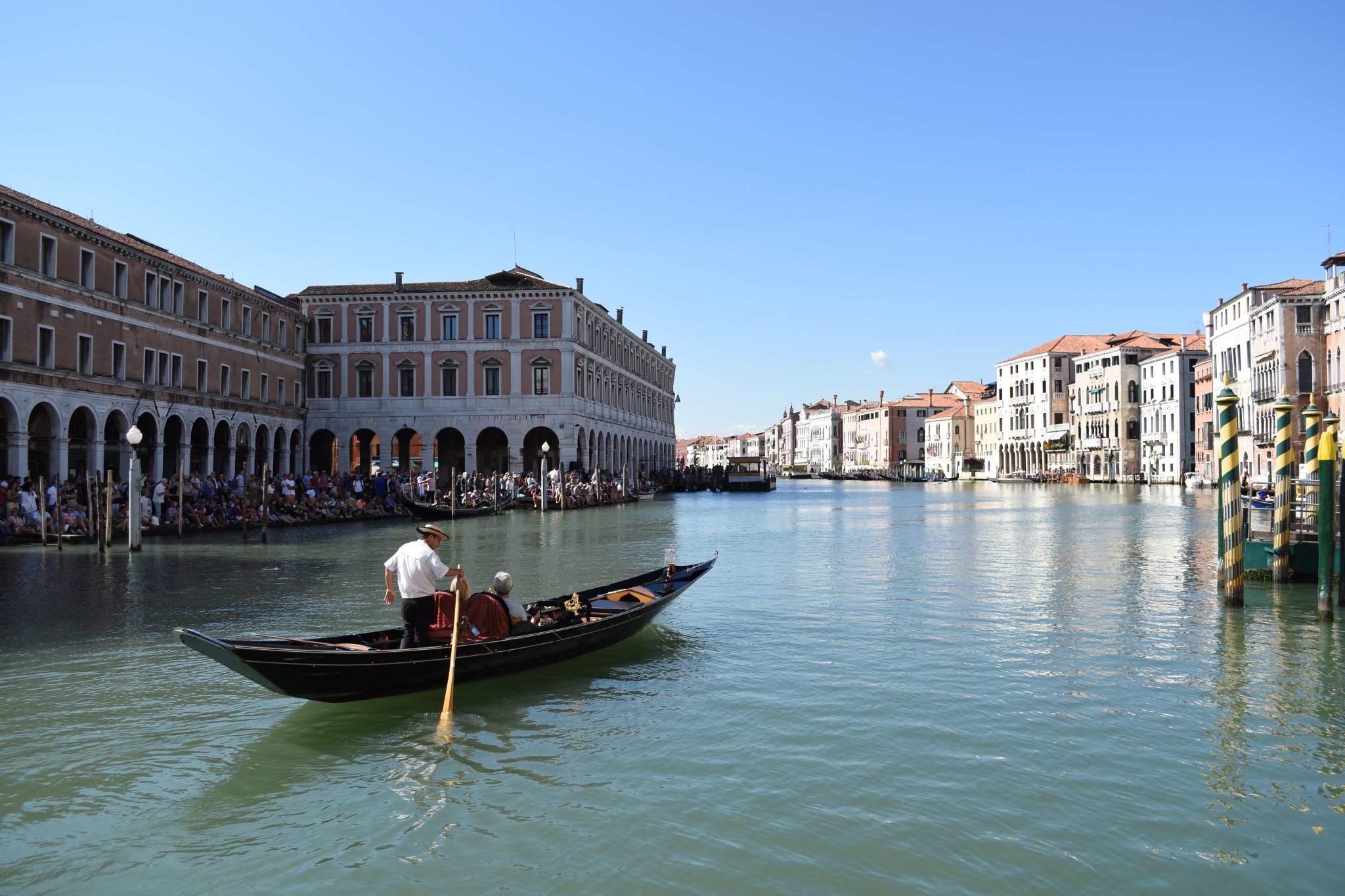
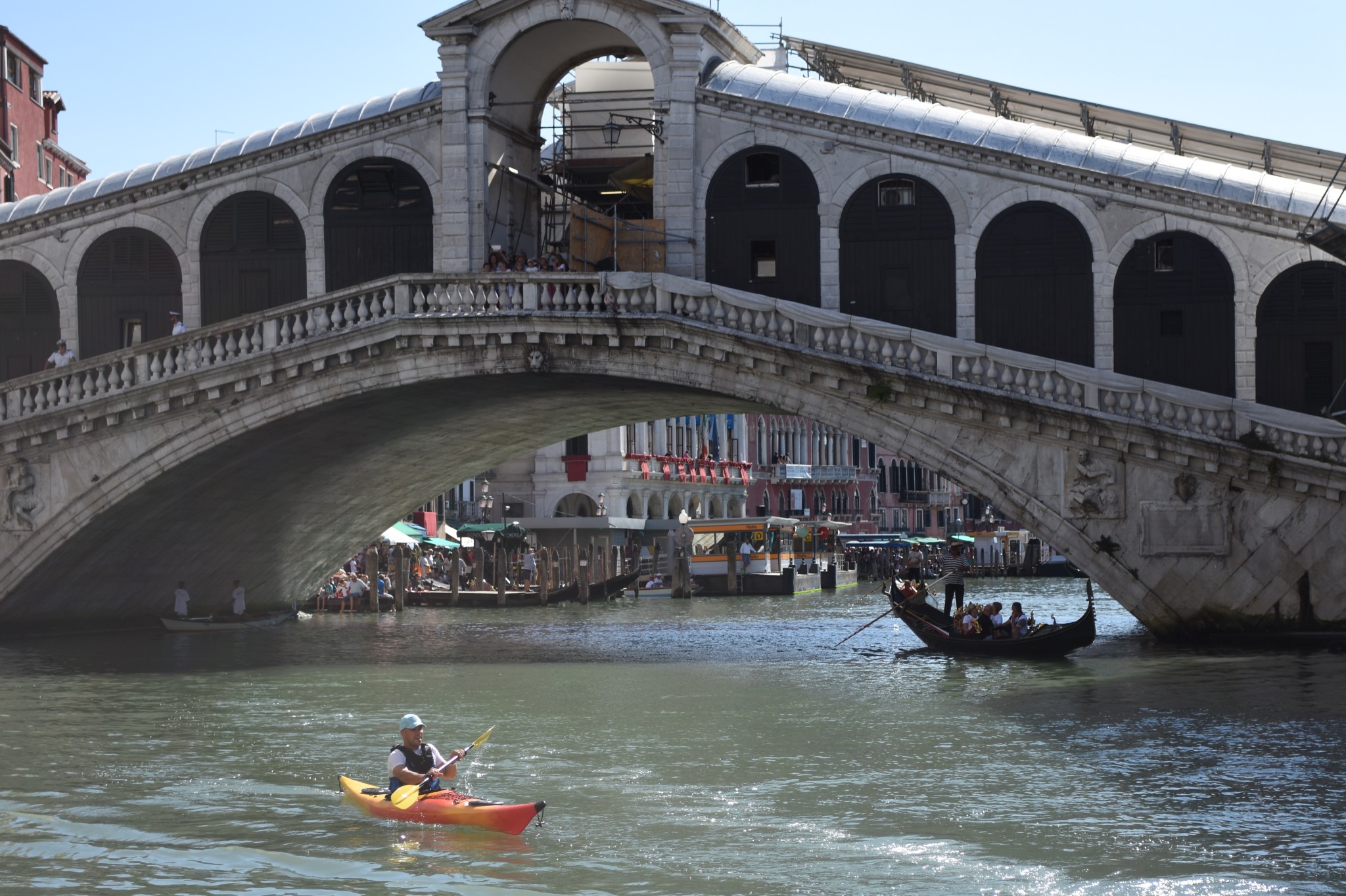
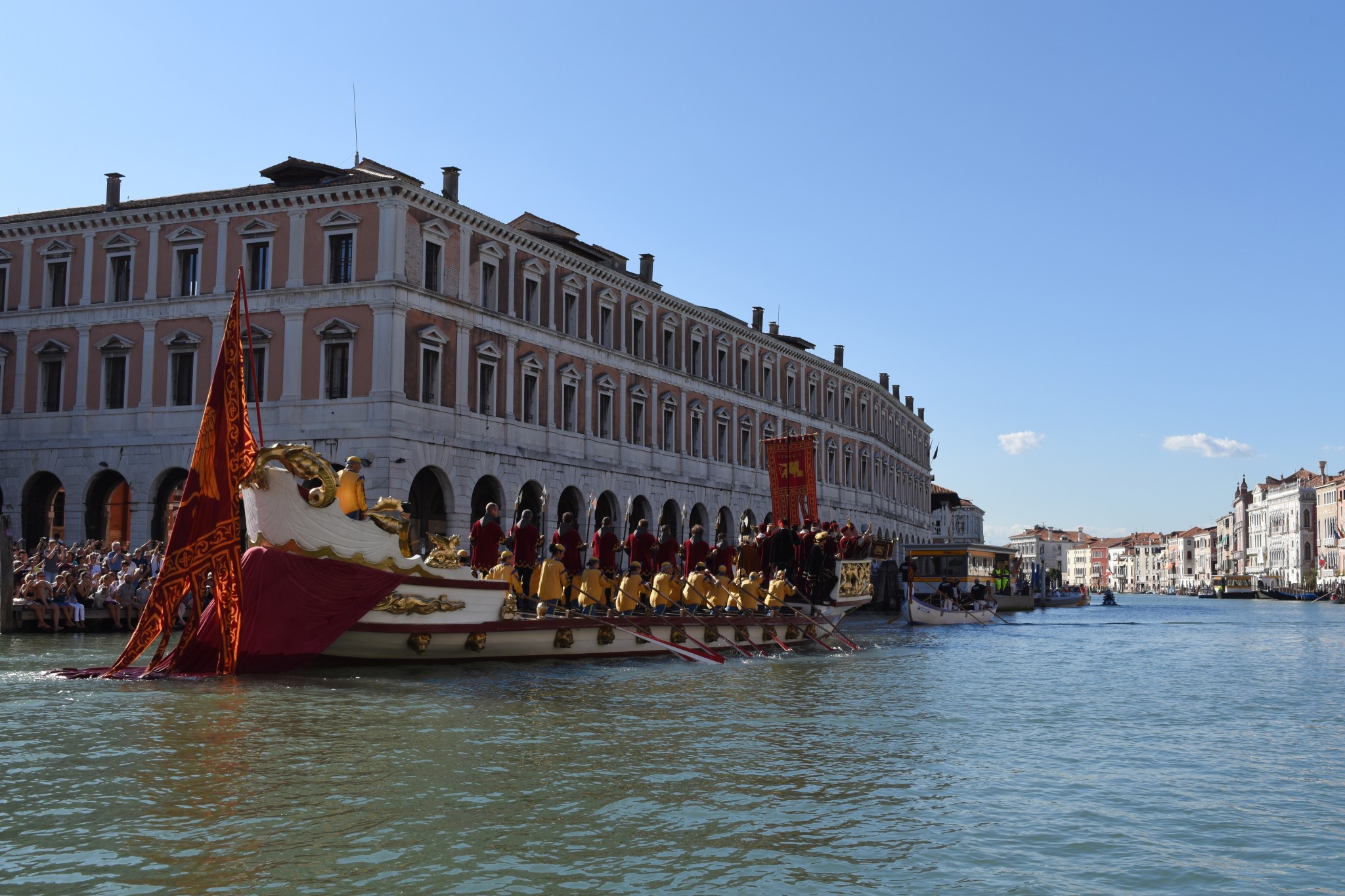
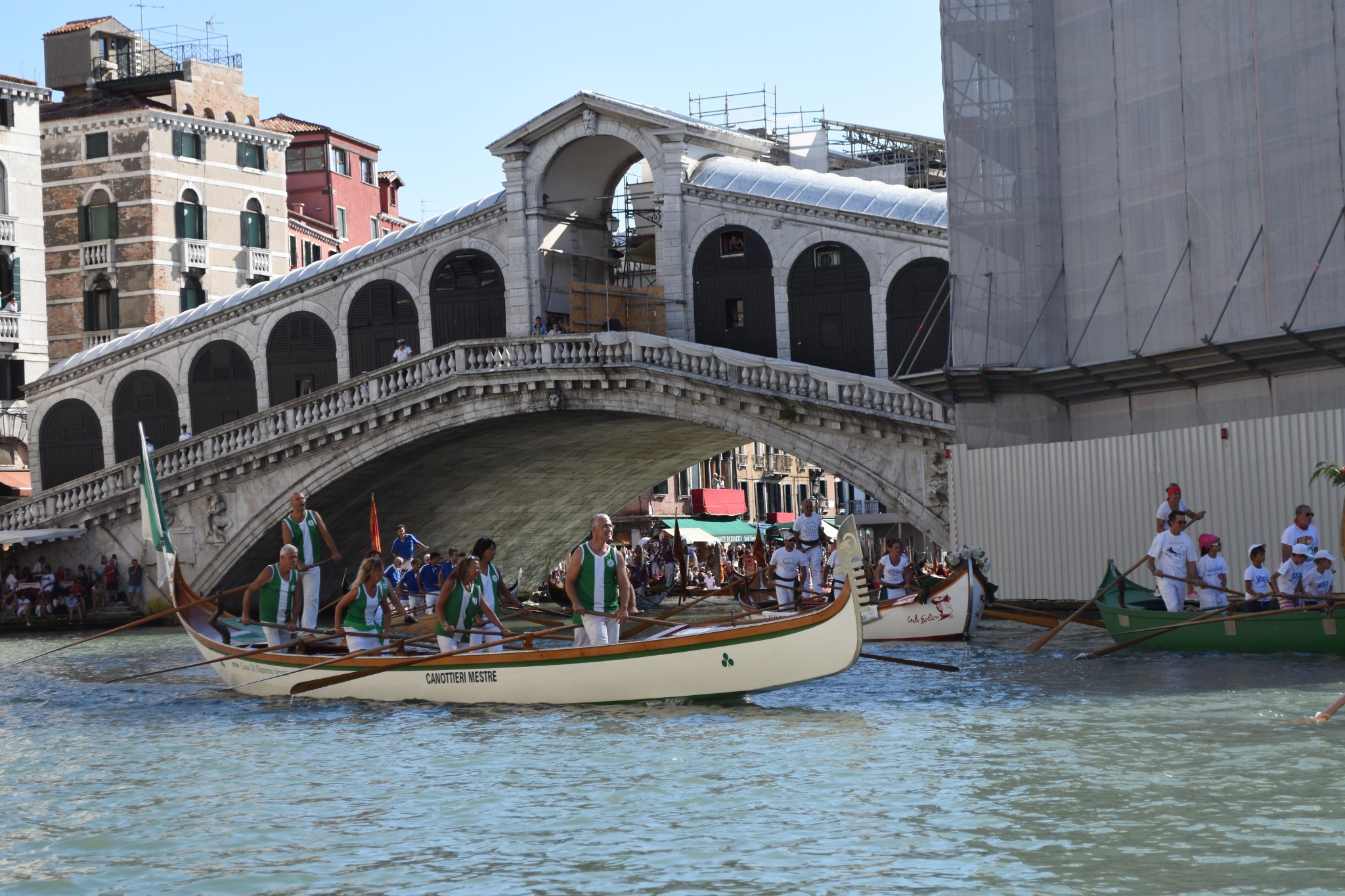
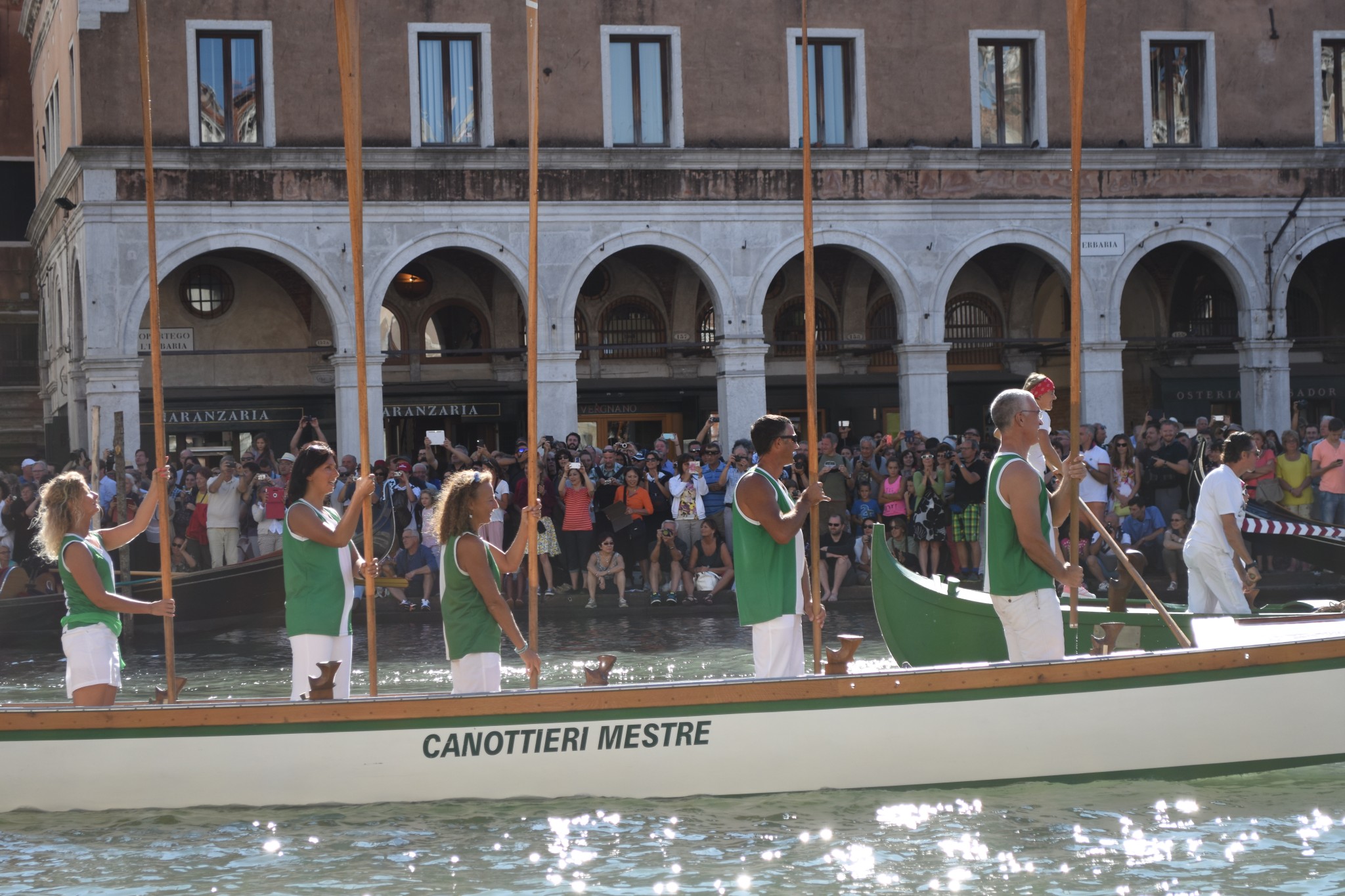
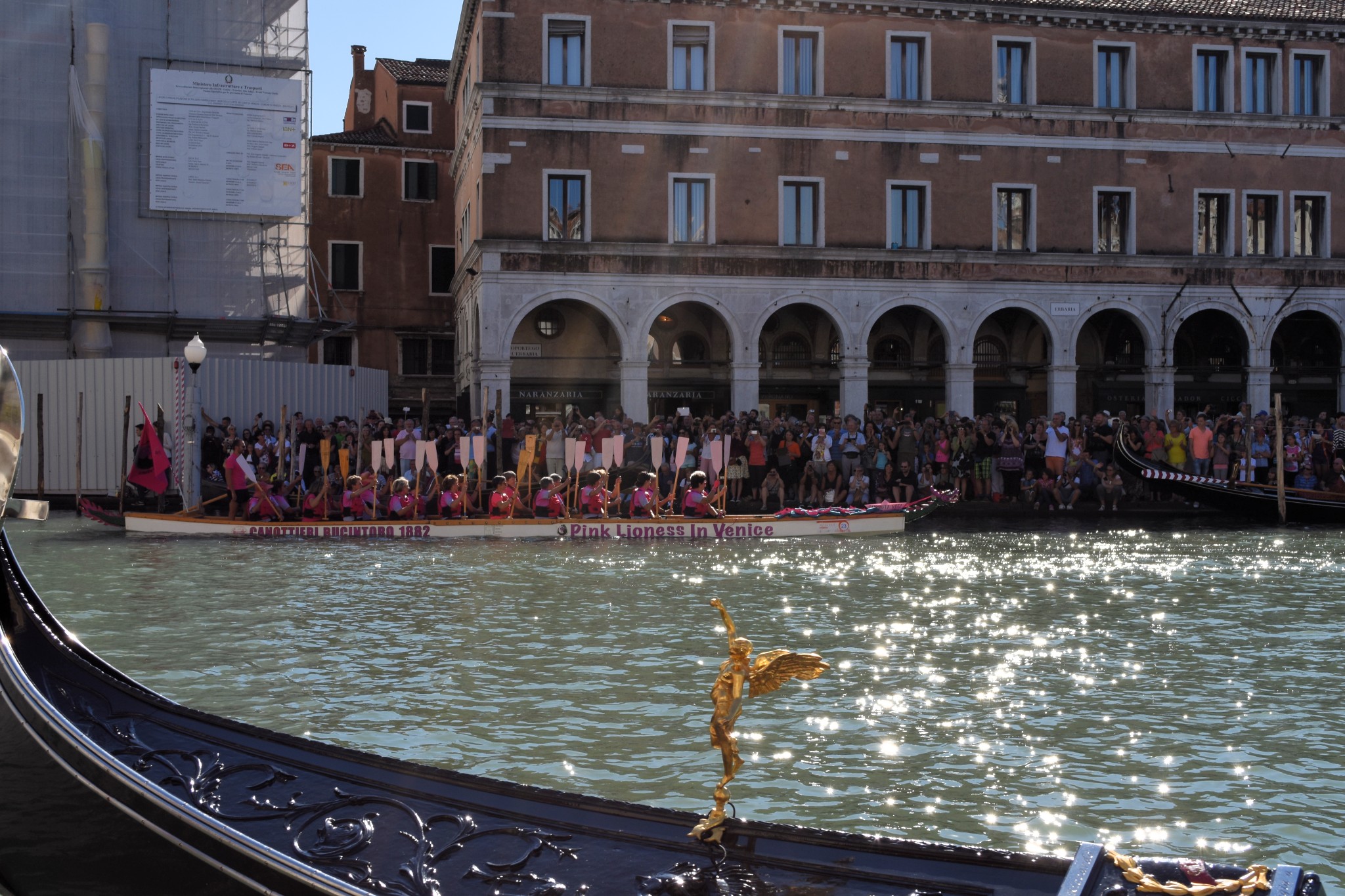
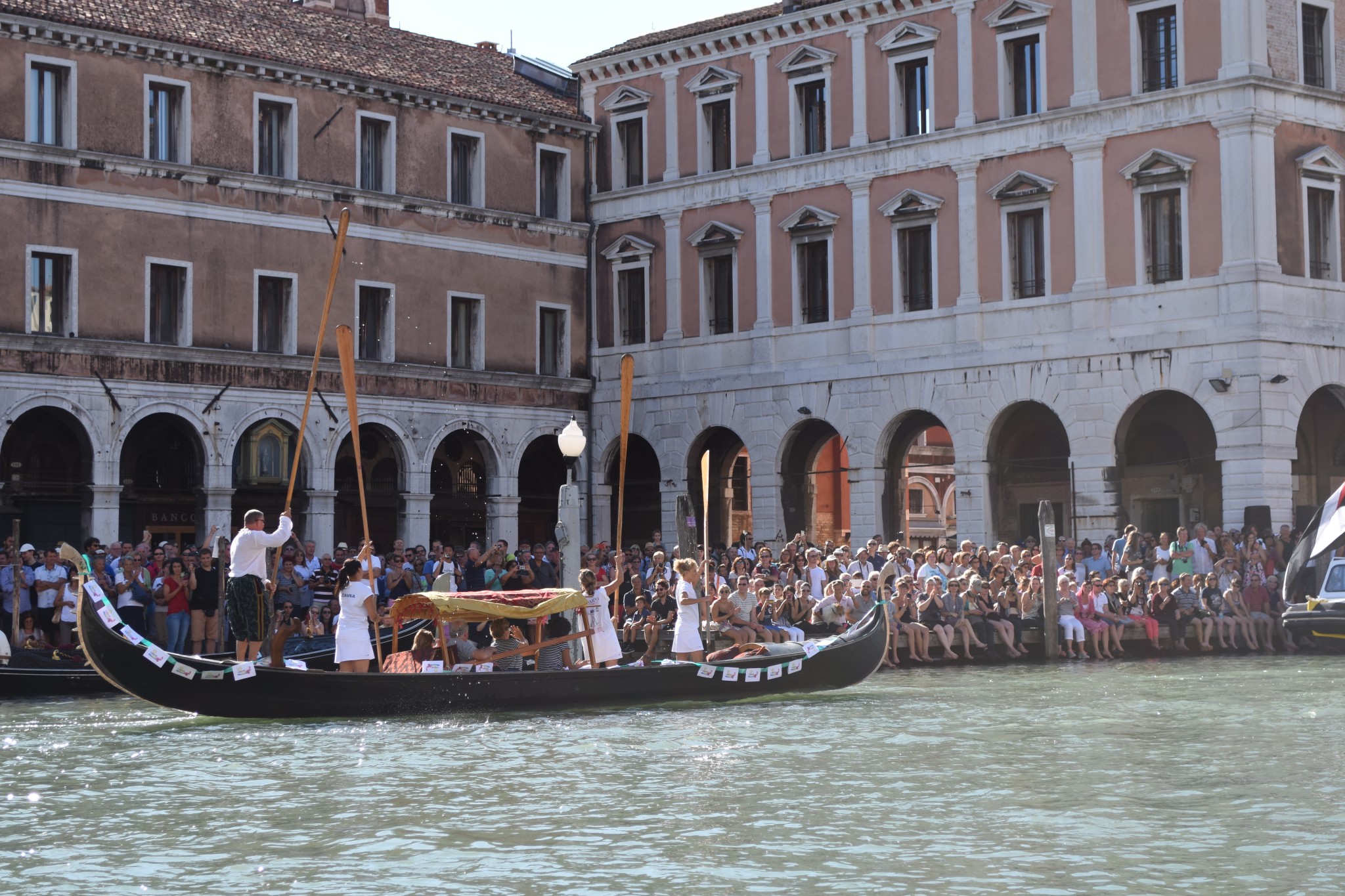
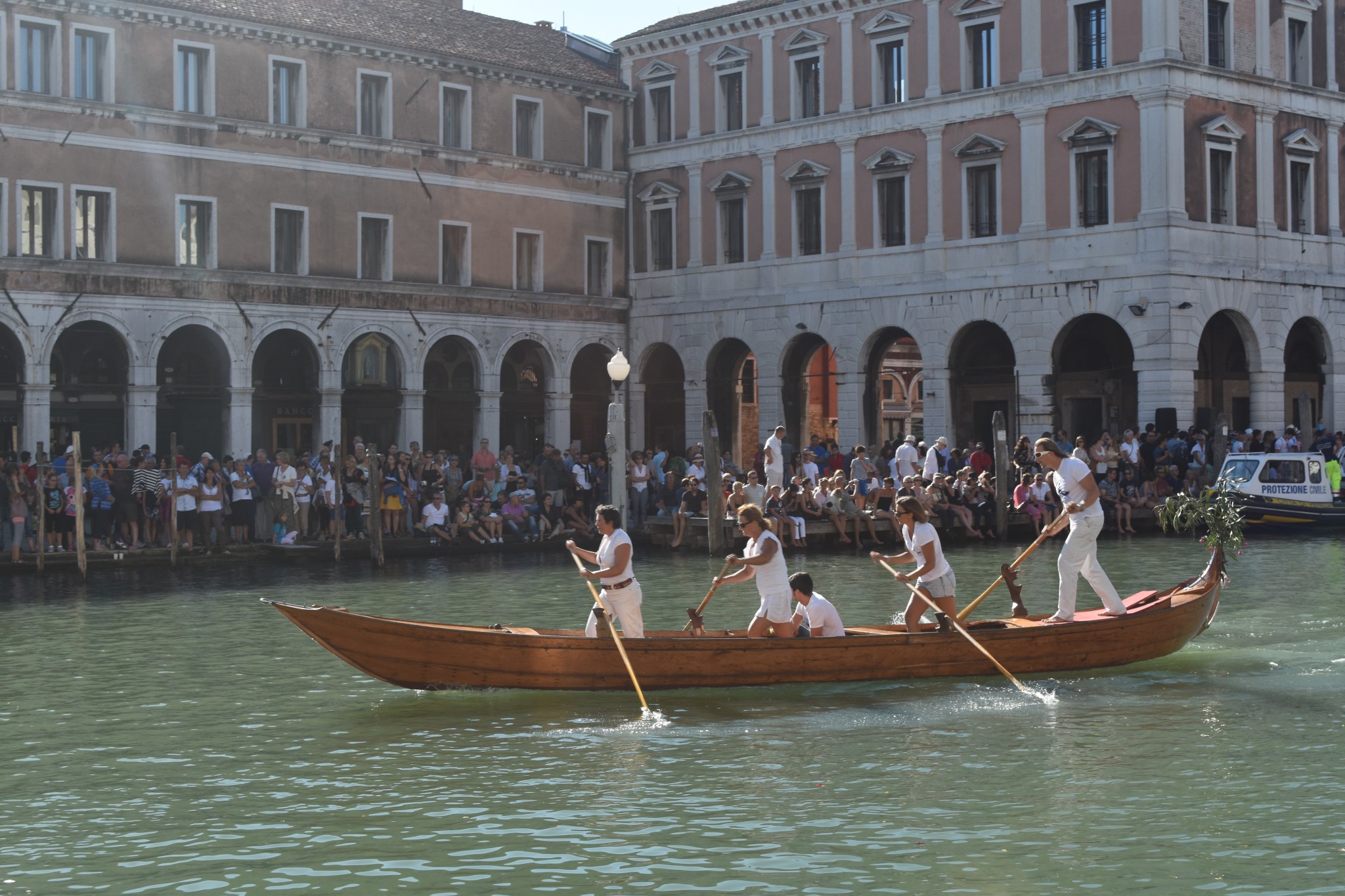
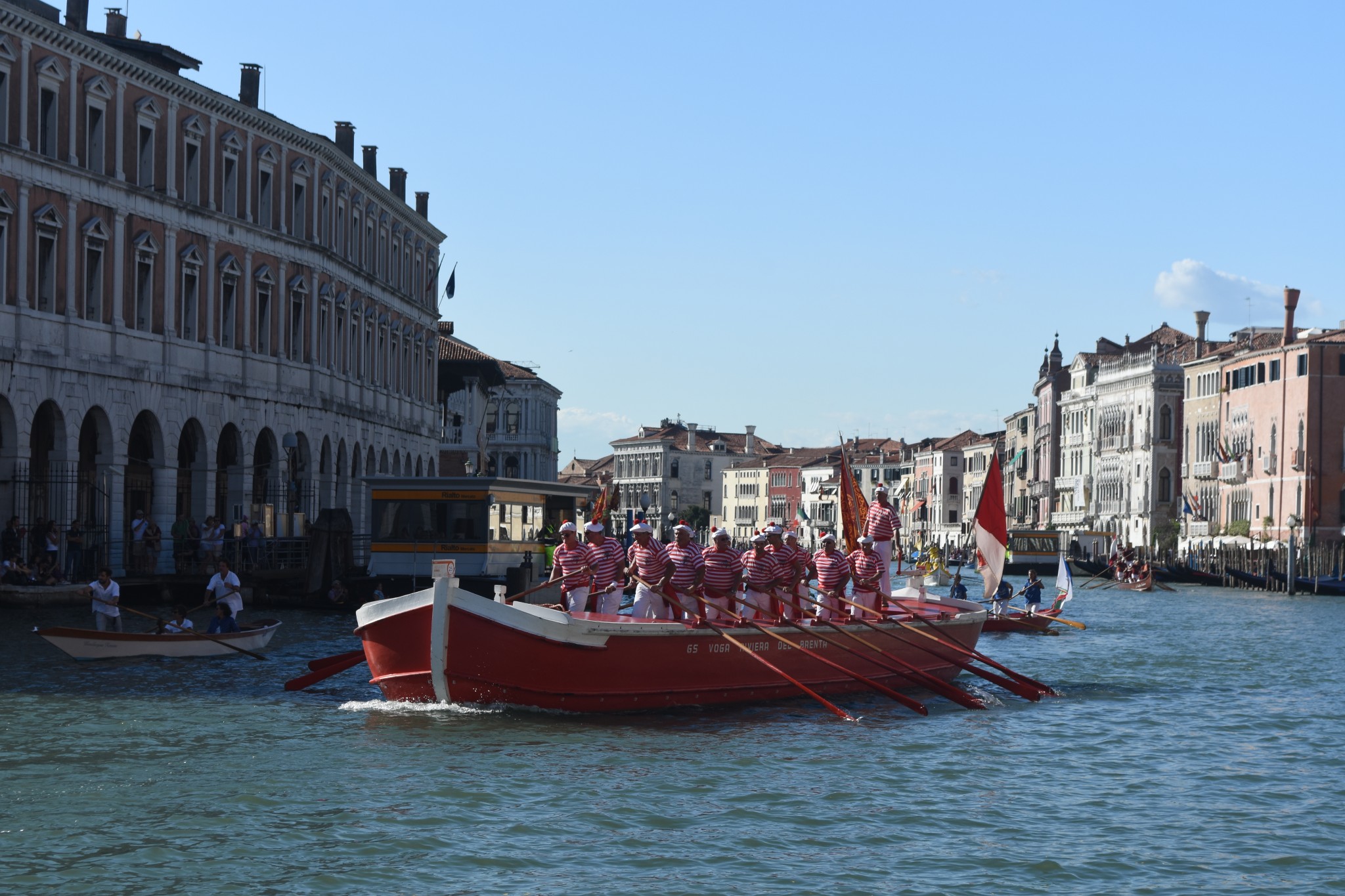
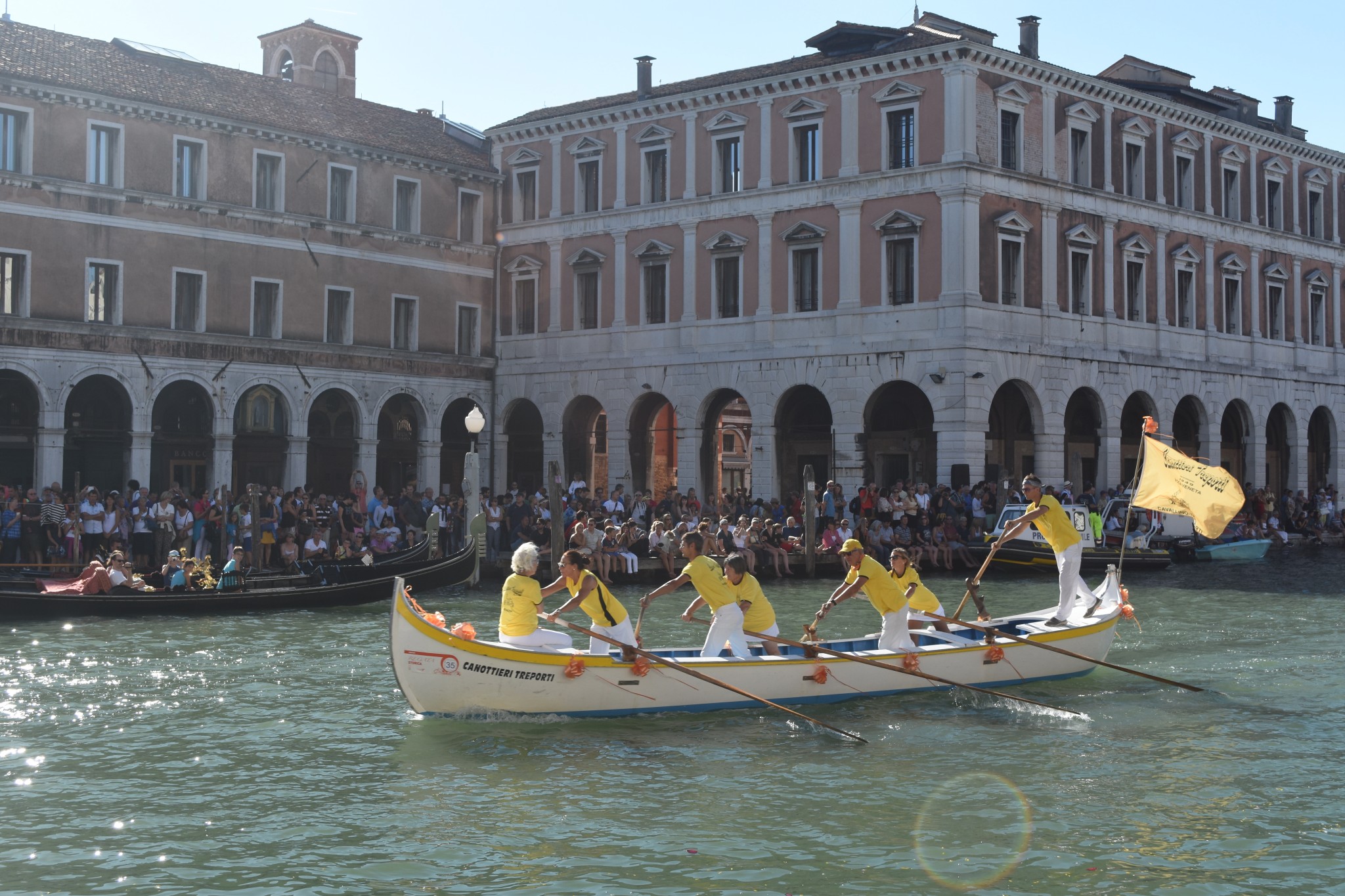
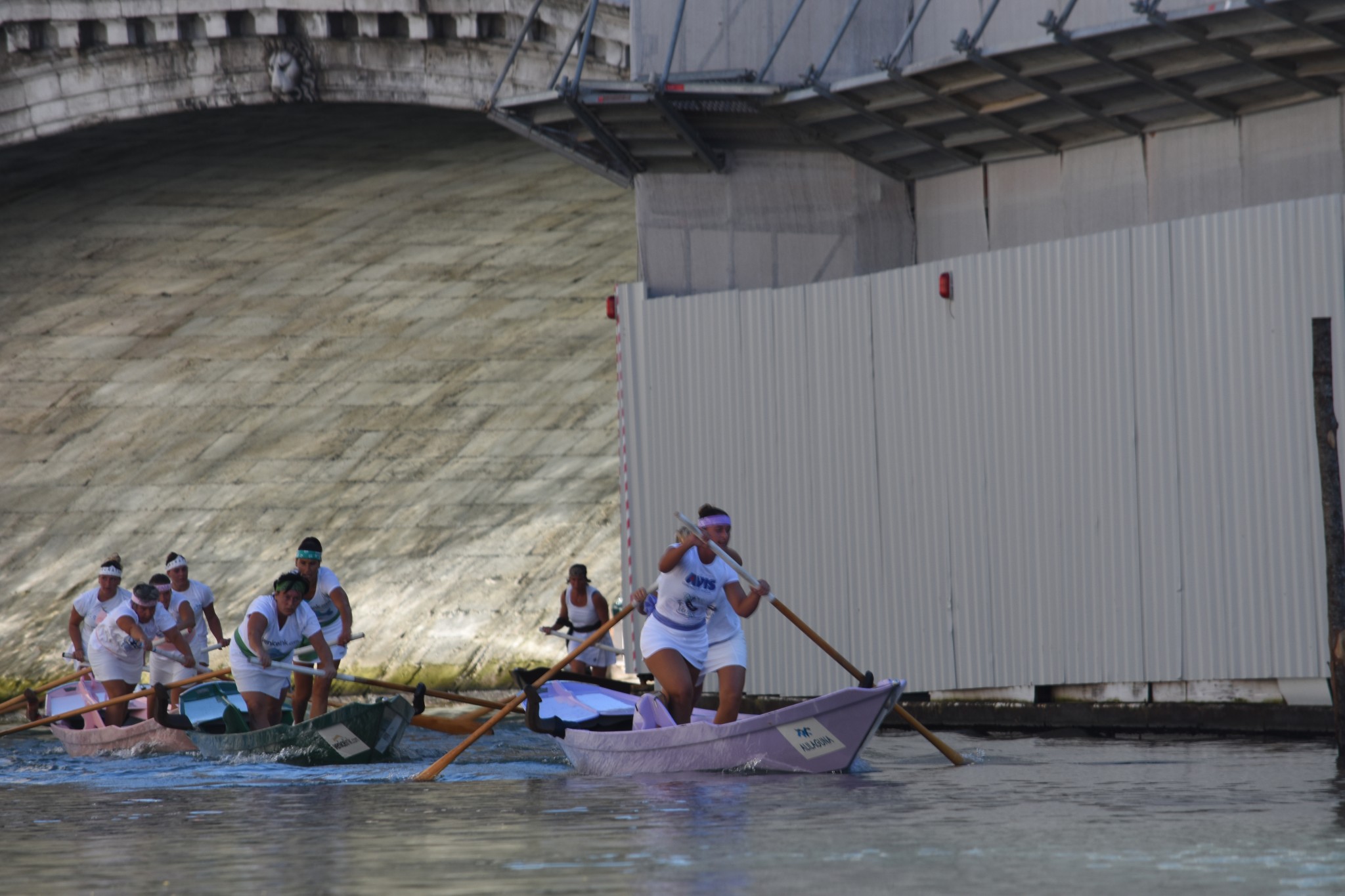
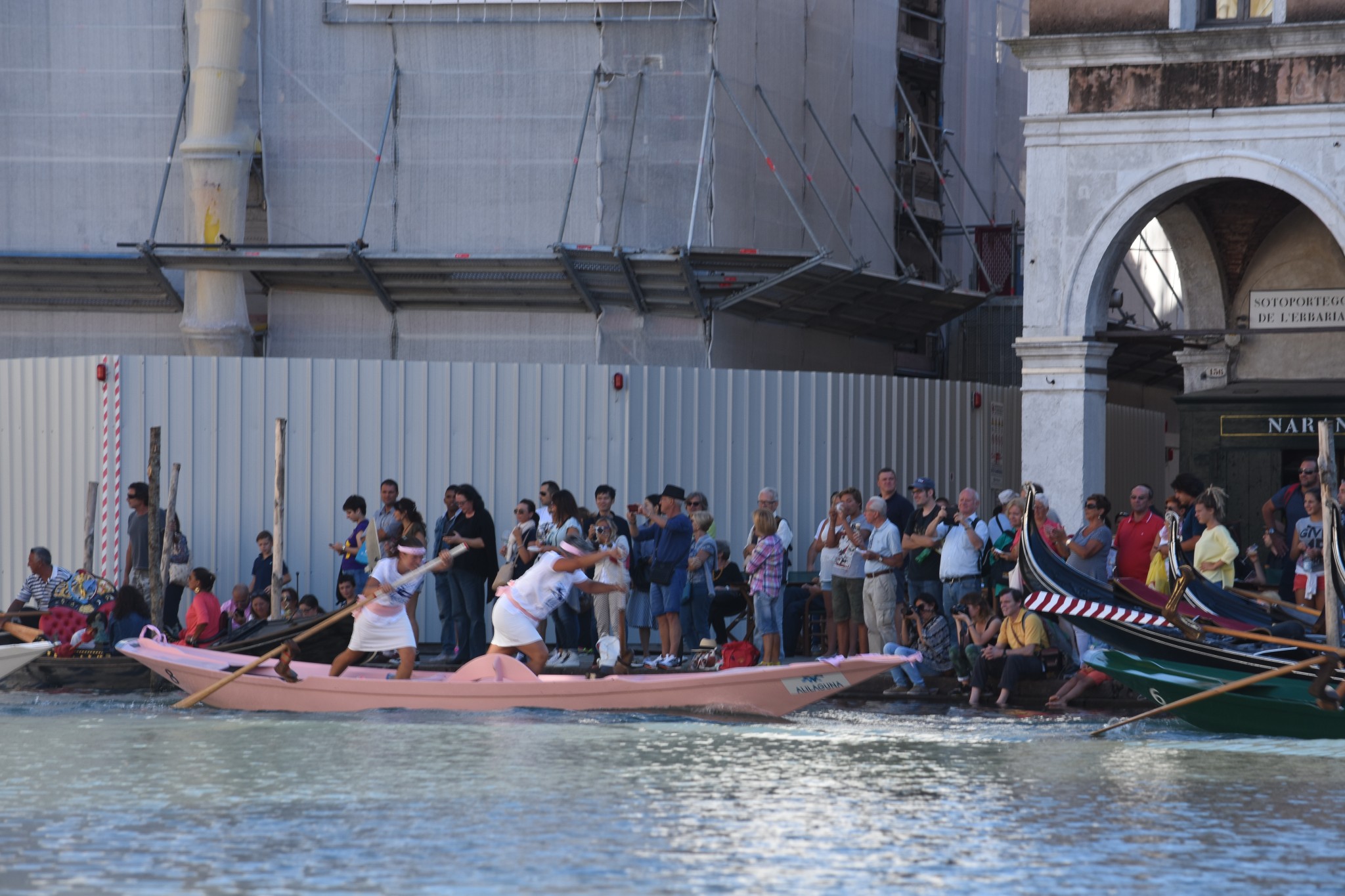
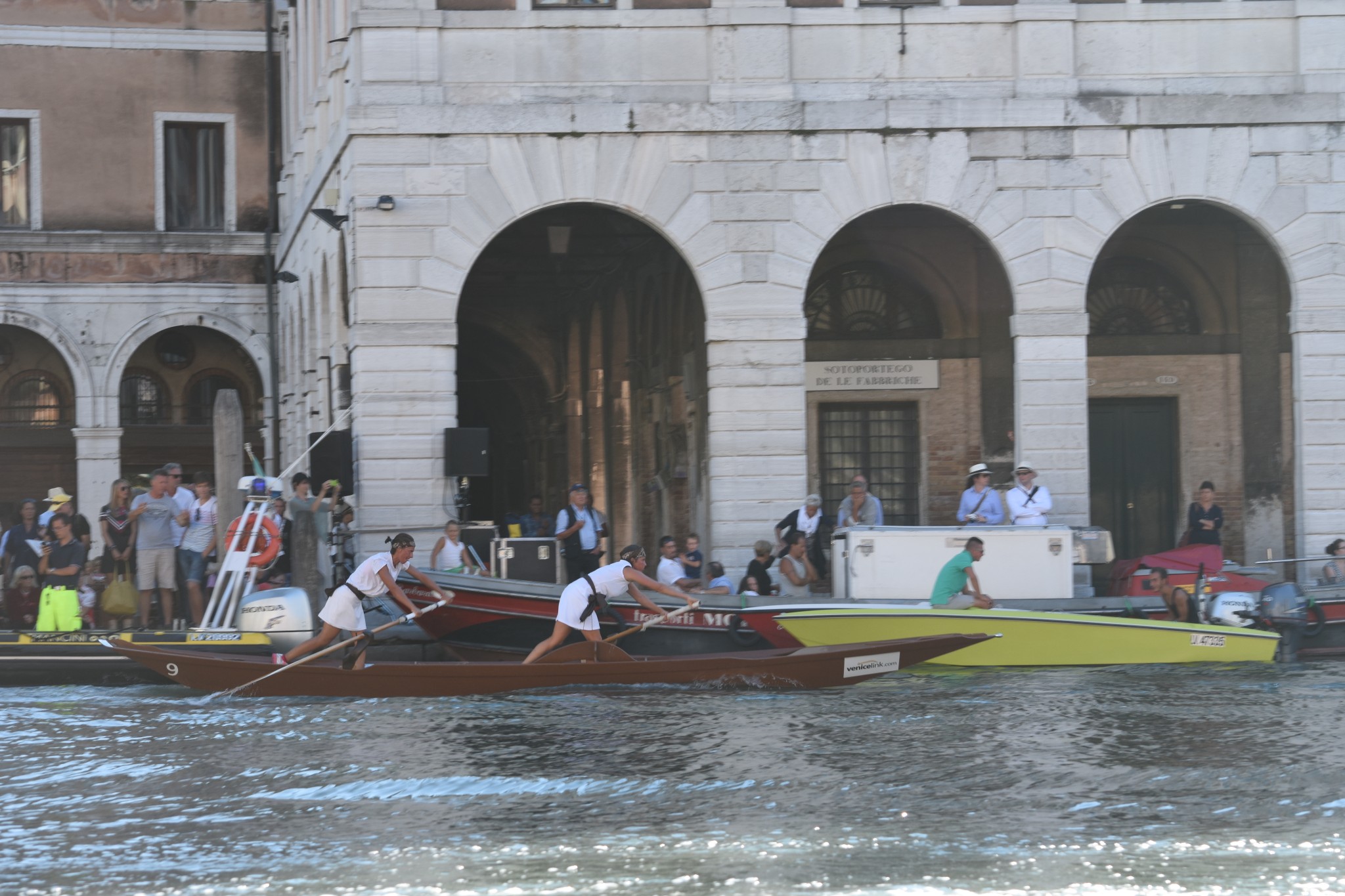
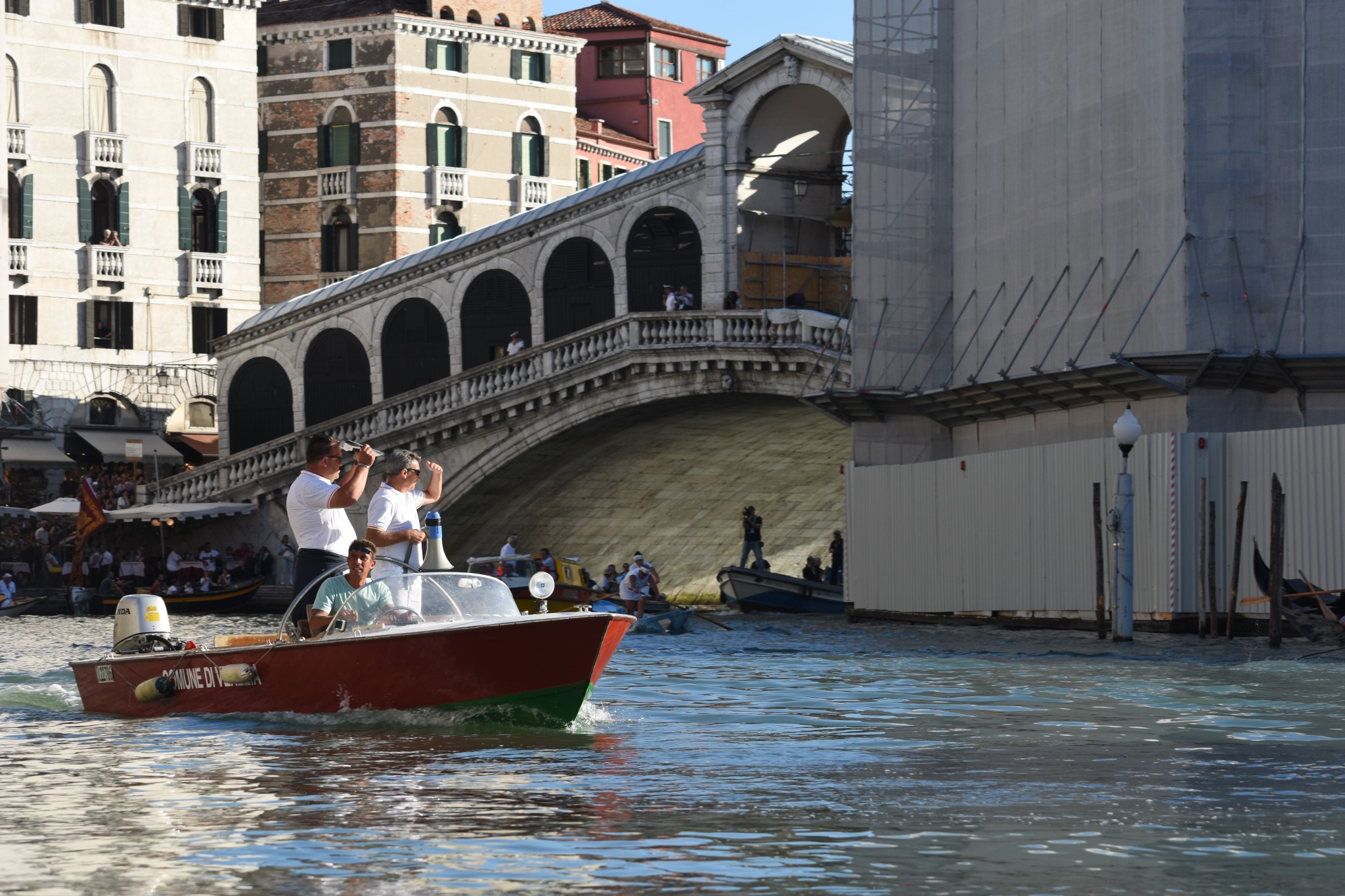
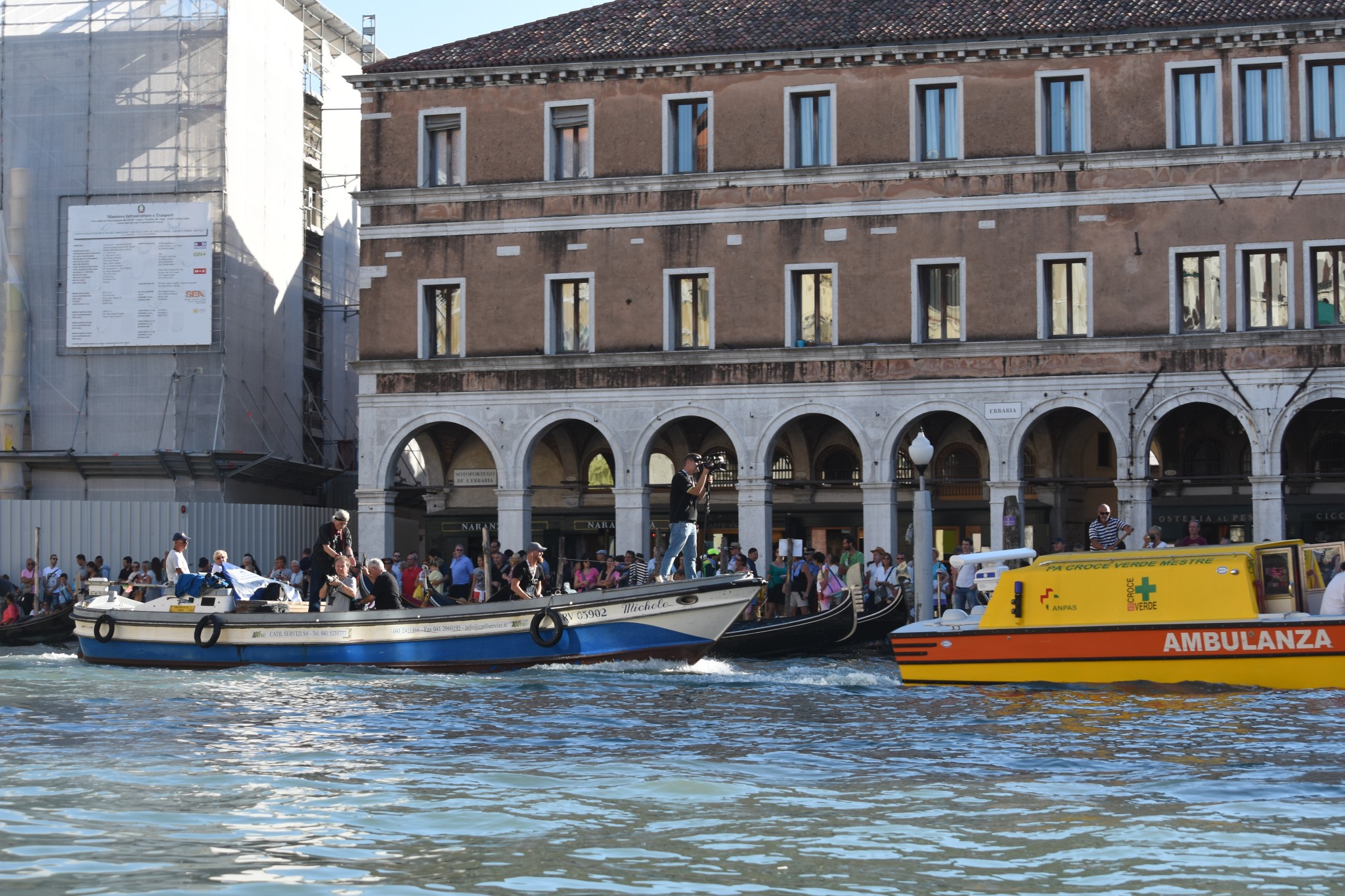
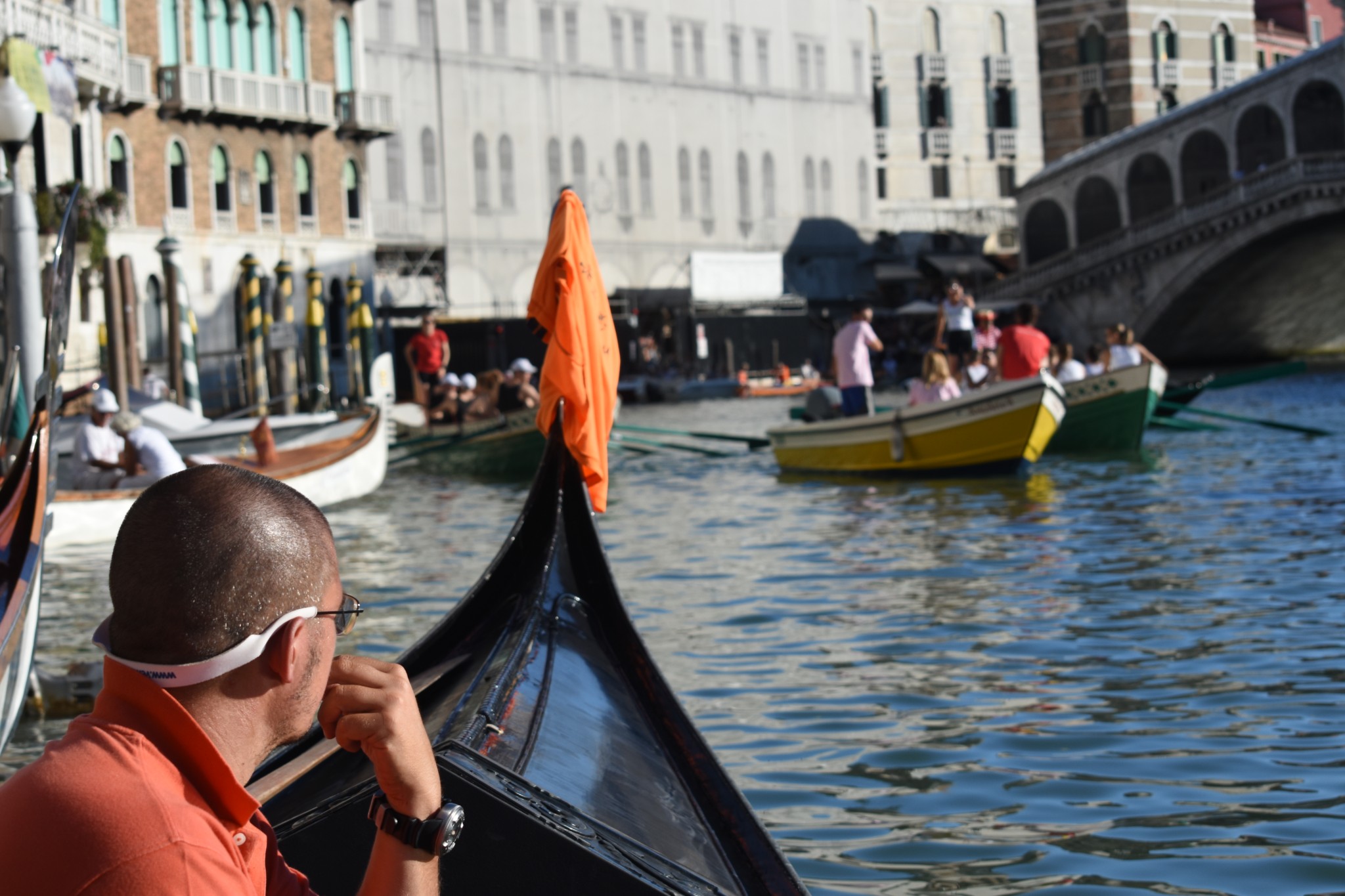
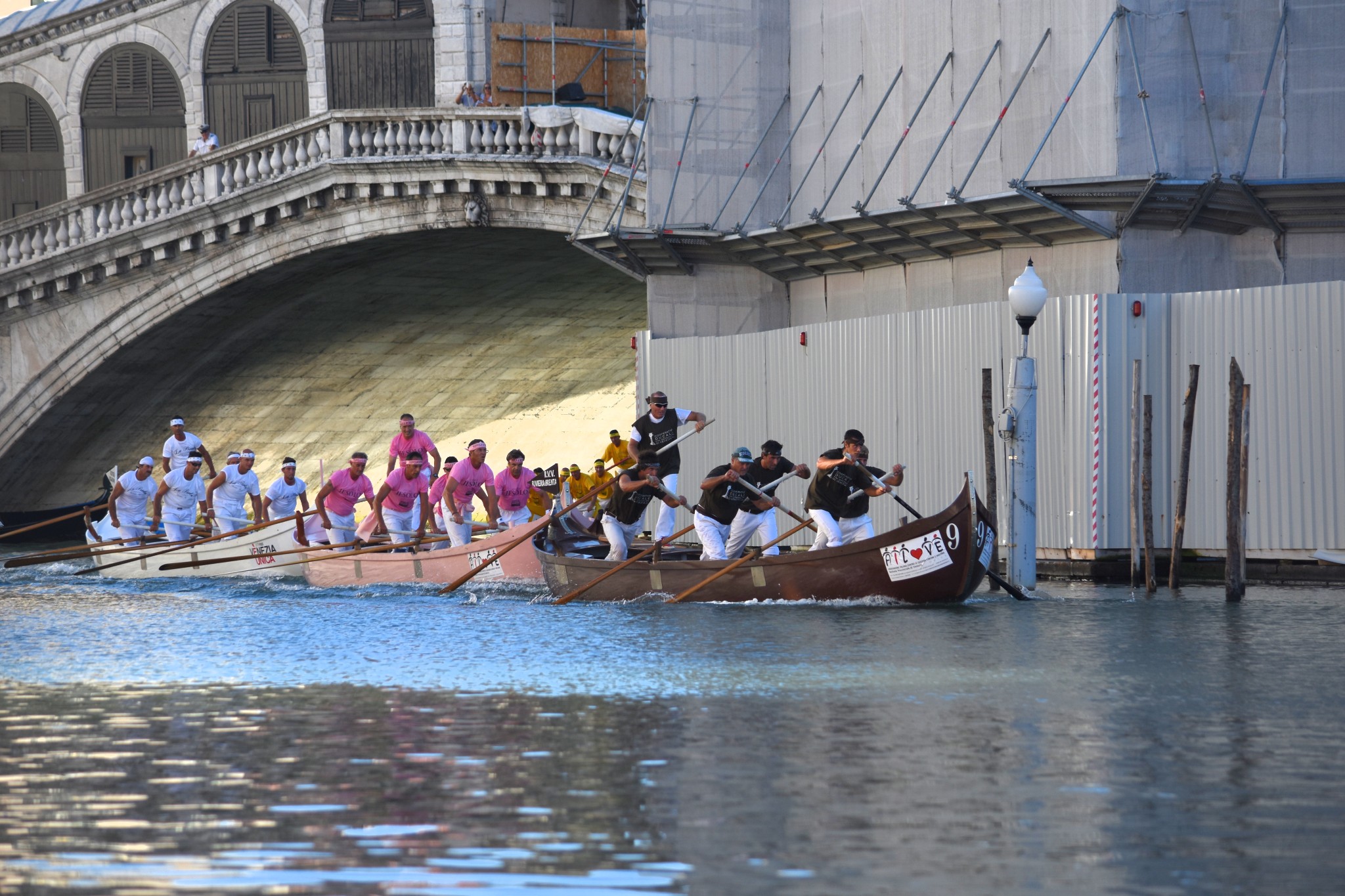
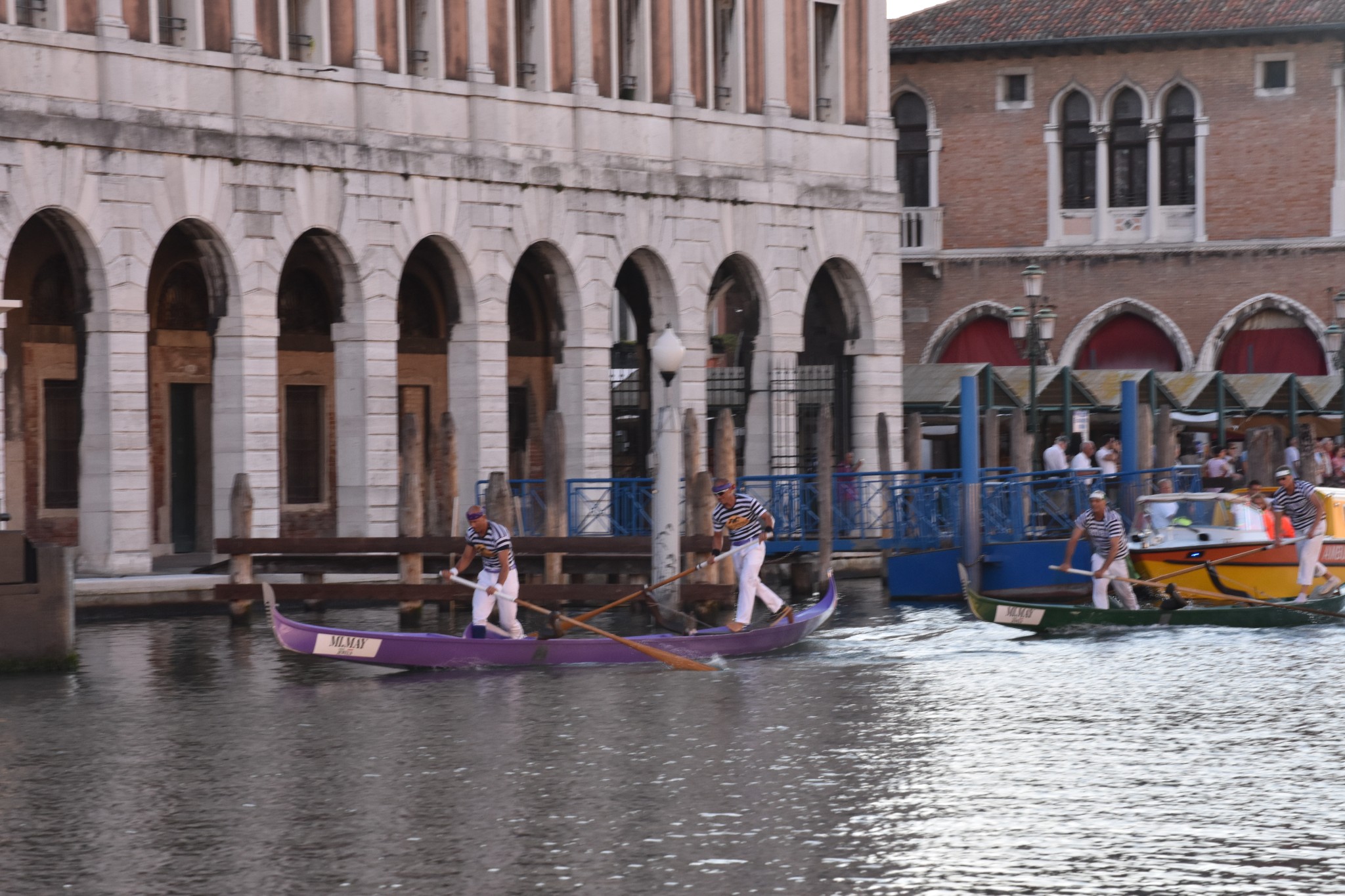
    This year’s Regata Storica was held on September 6th, and we went down to look in our gondola, which we moored just opposite the Erberia close to Rialto.

  • Lonely Planet video

    Lonely Planet video

    Lonely Planet visited us in Venice a while ago, and produced this little video.

    My only grievance is that the tide was so low that day. The city is much nicer when the water is higher.

  • Contorted Venice

    Contorted Venice

    In the 1960s a deep canal was dug across the Venetian lagoon to give access to bigger ships to the commercial harbour at Marghera, and since then Venice has been flooded by ever more frequent and ever higher tides.

    To counter this threat to Venice’s existence a system of mobile flood gates was devised at the three openings between the lagoon and the sea. They’re still being built. The costs are now over 6bn Euros, nobody knows if they will ever work, and the whole affair has become a cesspool of corruption and mismanagement of public funds.

    Now, to make sure the next generation of still larger cruise ships will be able to enter the lagoon,  a new branch of the canal from the 1960s will be made to take the 70m wide and 360m long future ships into Venice. The project is being sold as a necessity to avoid having the ships pass in front of St.Mark’s, without promising that they won’t, and as an environmental project to repair the massive damage caused by the first canal.

    These are all lies. There is absolutely no doubt that this new canals will wreak havoc with the fragile ecosystem of the lagoon, already seriously compromised by the first canal, yet the government in Rome and their lackeys in Venice wants to force this new canal on a city that doesn’t want it.

     The Canale dei Petroli

    About a century ago, when the harbour in Venice city was no longer adequate for the traffic of the time, a new industrial harbour was built on the mainland at Marghera and a canal (called the Vittorio Emanuele) was dug to allow the still bigger ships to pass through Venice on to the new harbour behind the city.

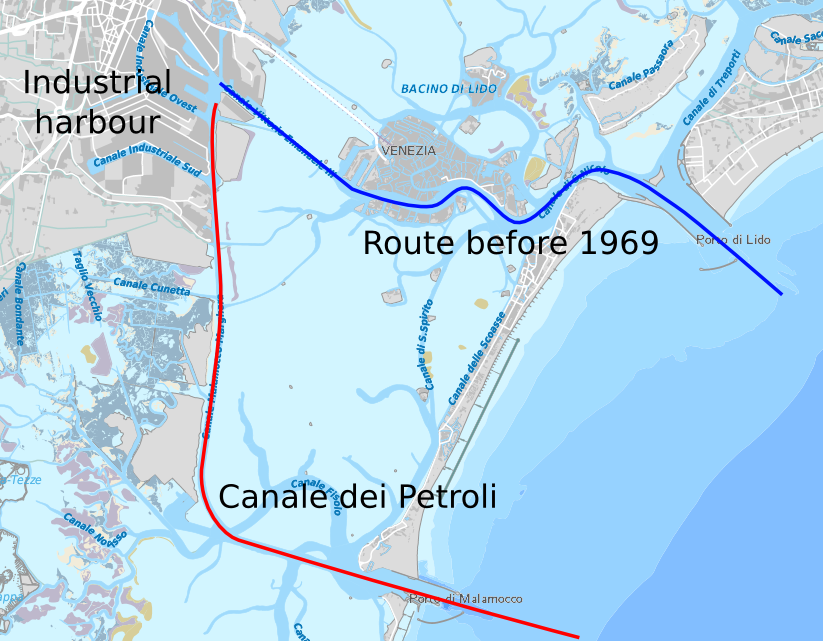
    In the 1950s traffic and ship sizes had reached a level where having them pass straight through the centre of Venice city was no longer viable, and a new canal was dug, the Canale dei Petroli,  leading from a more southern opening to the sea at Malamocco/Alberoni about 15km south of Venice, straight across the lagoon and up north along the mainland to the industrial harbour at Marghera.

    Two huge areas destined for further industrial expansion were created at the bend of the new canal,  by filling up large tracts of lagoon. They’re called the casse di colmate, but much of this was never finished and the areas lie waste even now.

    This new canal has all but destroyed the central lagoon where it starts, and it has made huge changes to the tidal characteristics of the southern lagoon.

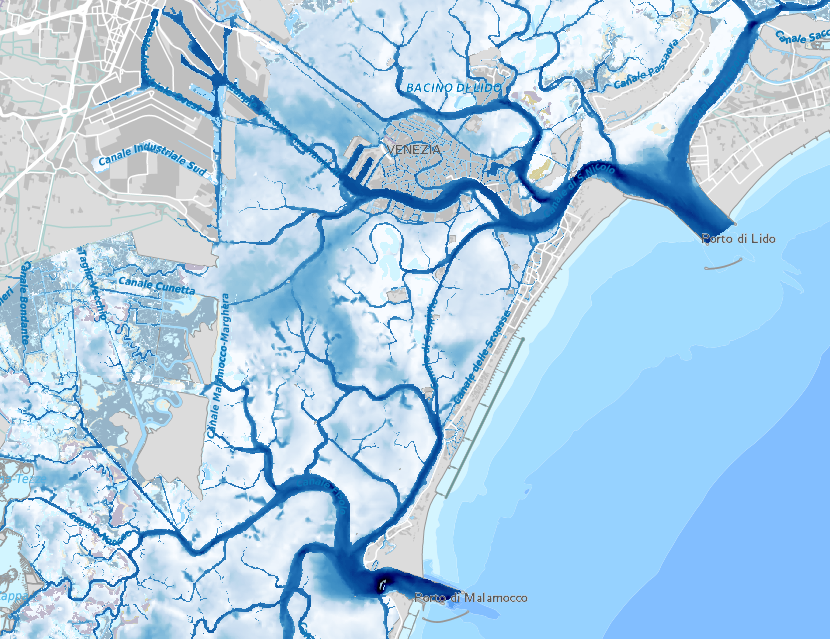
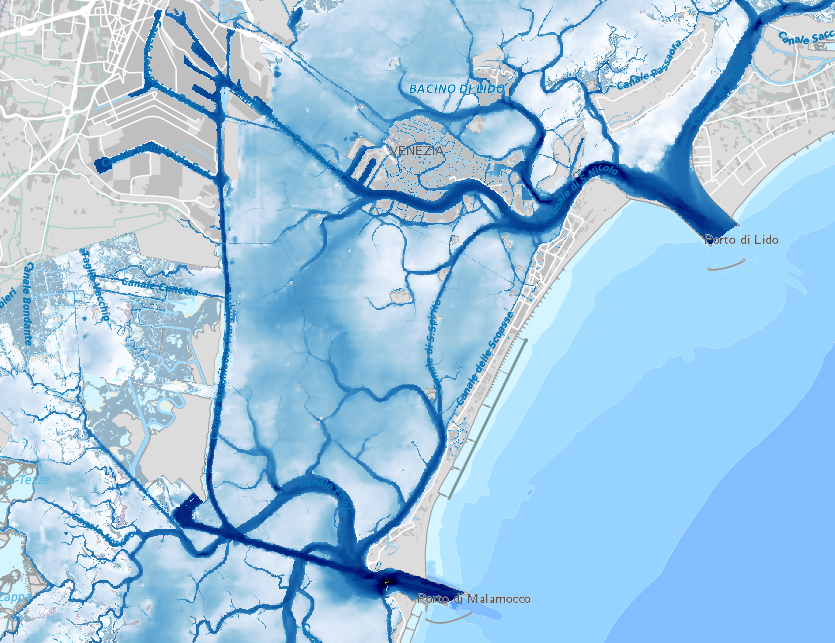
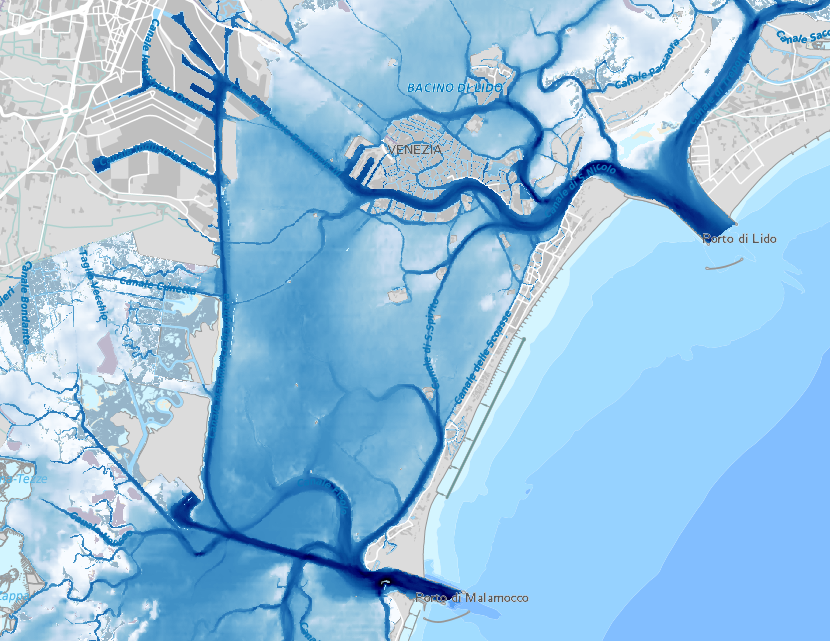
    Winding and bending shallow canals have been replaced by a 12m deep 100m wide canal which channels a massive amount of tidal water through the lagoon at full speed. The erosion has been enormous. The following three maps show the average water depth in the lagoon in the 1930s, in 1970 and in 2002 (darker blue is deeper).

    Tens of millions of cubic metres of sediment has been lost to the sea over the last four decades.

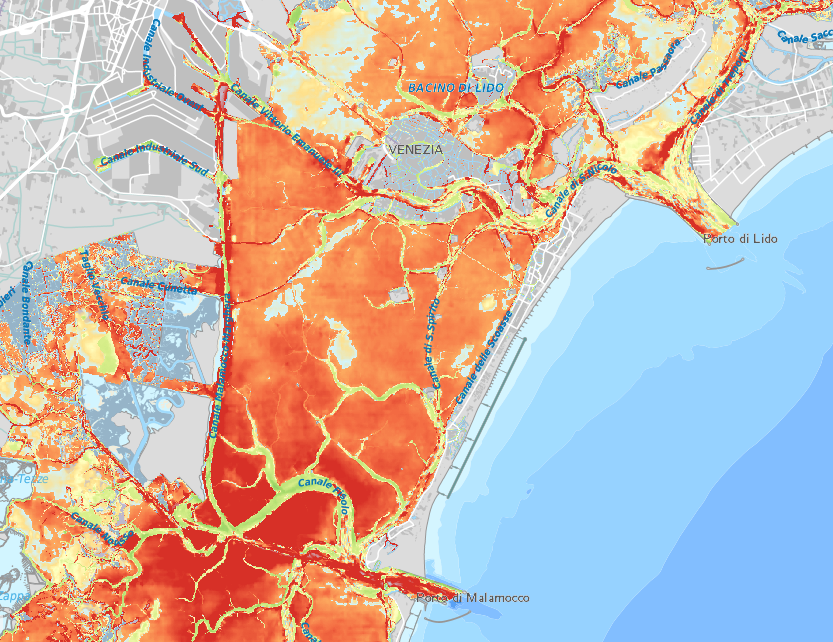
    The map below summarises the changes in depth in the central lagoon over the period 1970 just after the digging of the Canale dei Petroli, and in 2002.  Darker orange/red is deeper, green is shallower.

    The entire area has become deeper, the most affected parts up to 2m deeper, except for the ancient natural canals which have silted up as less water now follows that path.

    In short the bottom of the central lagoon has been levelled out by the tidal current through the new canal.

    The tidal watershed

    Besides having turned the central lagoon into a branch of the sea, now complete with flying fish and dolphins, the tidal flow through the canal have moved the tidal watershed in the lagoon.

    A rising tide enters the lagoon through each of the  three opening to the sea and in between there are two areas where the opposing tidal currents meet. At these tidal watersheds there is no current at any time, being the meeting point of two opposing currents.

    Historically Venice has depended on the tide for cleaning the city canals. One could say that nature flushed their toilets twice a day, and the Venetians knew this and were always very careful to monitor the watershed whenever they made changes in the lagoon.

    There was no such foresight when the Canale dei Petroli was dug.

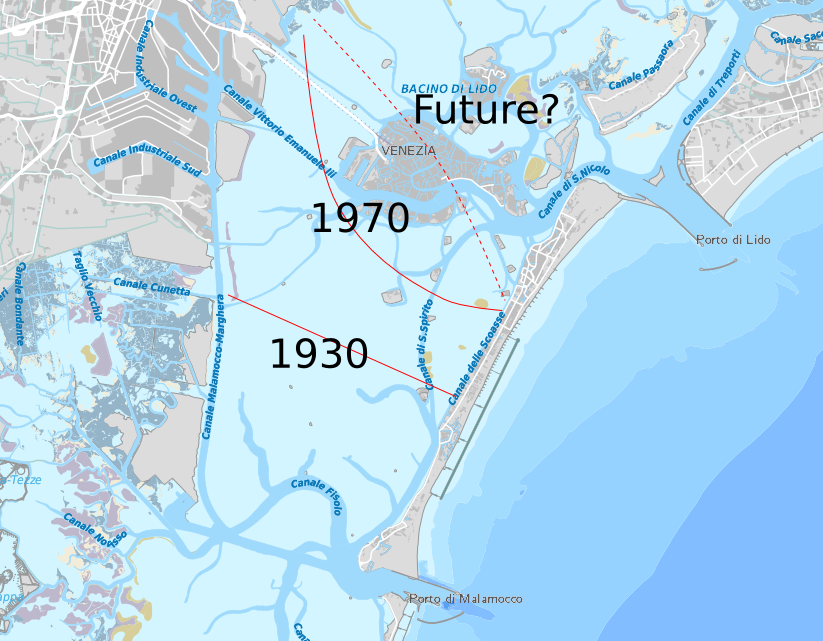
    The tidal watershed in the central lagoon, where the tides from the San Nicolò passage and the Malamocco passage meet, has therefore moved, pushed north by the now larger volume of water entering at Malamocco having a wider and more direct passage.

    It used to be roughly in the middle, but with the Canale dei Petroli the watershed was pushed up behind Venice, just outside the city.

    The map below show where the tidal watersheds have been approximately, before the Canale dei Petroli, after the canal and if the new cruise ship canal is dug.

    In short, the flushing effect of the tide has been very reduced since the digging of the Canale dei Petroli, and with the new canal planned it will be a thing of the past.

    With the new Canale Contorta the water in most of Venice will be stagnant.

    The frequency of  high tides

    Following the digging of the Canale dei Petroli Venice has suffered from ever more frequent high tides, as a consequence of the changes in the hydraulics of the lagoon.

    The city administration has a tidal forecast office which also keeps detailed statistics of the tides, and their graphs are revealing.

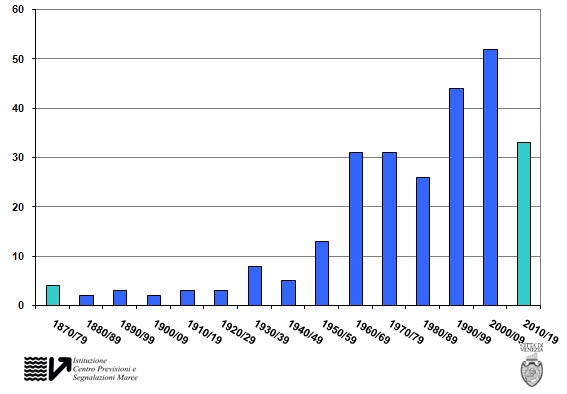
    This is the frequency of tides over 110cm (which floods 12% of the city) aggregated over each decade since measurements were made.

    Frequency of tides over 110cm
    Frequency of tides over 110cm (source: Istituzione Centro Previsioni e Segnalazioni Maree)

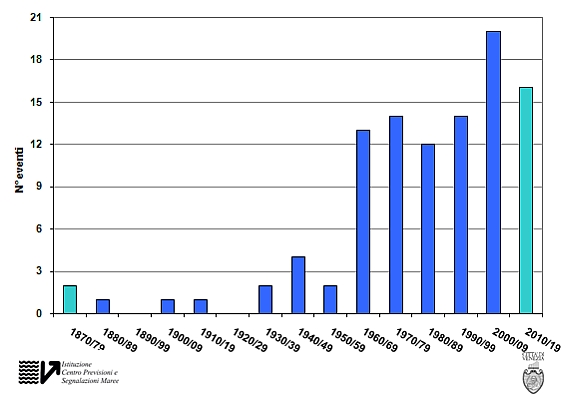
    The same graph for tides over 120cm which floods 28% of the city.

    Frequency of tides over 120cm
    Frequency of tides over 120cm (source: Istituzione Centro Previsioni e Segnalazioni Maree)

    The conclusion is evident: mess with the lagoon and you mess with Venice.

    The MOSE project

    However, rather than trying to roll back the changes made, another technological fix was chosen.

    The MOSE project is for a set of huge floodgates to be built at each of the three openings between the sea and the lagoon, at San Nicolò in the north closest to Venice, at Malamocco in the middle where the Canale dei Petroli starts, and in the south at Chioggia.

    The gates will lie at the bottom filled with water when not in use, and when a tide of 110cm or more is predicted, they will be pumped full of compressed air and swing up on hinges to impede the water from rising.

    A tidal level of 110cm is already problematic for the city, but if the flood gates are activated at a lower level, they will be closed so often as to compromise the entire lagoon as a tidal marsh. The ecosystem of the lagoon breathes with the tide, and it will morph into something else if the tide is removed.

    The original project was expected to cost little over 1bn Euros, but costs have inflated repeatedly and the bill now stands at over 6bn Euros.

    The flood gates are still not operational. That is expected to happen in 2017.

    The whole project has become a cesspool of corruption and mismanagement of the public funds involved. Rumours speak of about a quarter of the entire cost non being accounted for, and arrests have been made in the leadership of the consortium of companies building the flood gates, and in the public offices supposed to supervise the construction, both at the level of the state and the various agencies involved, the region of Veneto and in the city of Venice.

    Most of Venice has been opposed to the building of the flood gates, in part because of the still unknown environmental impact of the project, and in part because it has diverted all the funds Venice used to received from the state for protecting and maintaining the city.

    As the situation is now, the flood gates are not operational, nobody knows if they’ll work and it is not clear what the final  environmental impact of the gates will be. What is sure is that a lot of well connected people have become a lot wealthier with all the money they have managed to extract from the project.

    Until now, all that has been done to stem the high tides flooding Venice has had no positive effect whatsoever.

    Cruise ships in Venice

    Cruises and ferries were the only harbour activities which remained in Venice after most commercial shipping moved to Marghera.

    Lately the ferries have moved to the mainland too, leaving only the cruise ships. They have, however, taken a huge upswing.

    An ever rising number of cruise ships enter the cruise harbour of Venice every year, up to 600-700 visits a year, with as much as 12 ships in the harbour at any one time.

    The ships have also become ever larger. The current generation of cruise ships are over 300m long, 50m wide, 50m tall with a draught of 10-12m, and with a displacement of 140,000 tonnes. They carry up to 3500 passengers and a crew of 1500-2000.

    These ships are flowing cities.

    The Titanic in comparison was 40,000 tonnes and not even half the width of a modern cruise ship.

    The size of the Titanic compared to a modern cruise ship
    The size of the Titanic compared to a modern cruise ship

    The next generation will be even more gigantic, measuring up to 360m in length and 70m in width, with a displacement of 200,000 tonnes. They will not be taller or have a larger draught, as that would prevent them from entering many of the harbours they’re working from. The only way to make the ships bigger is to make them longer and wider.

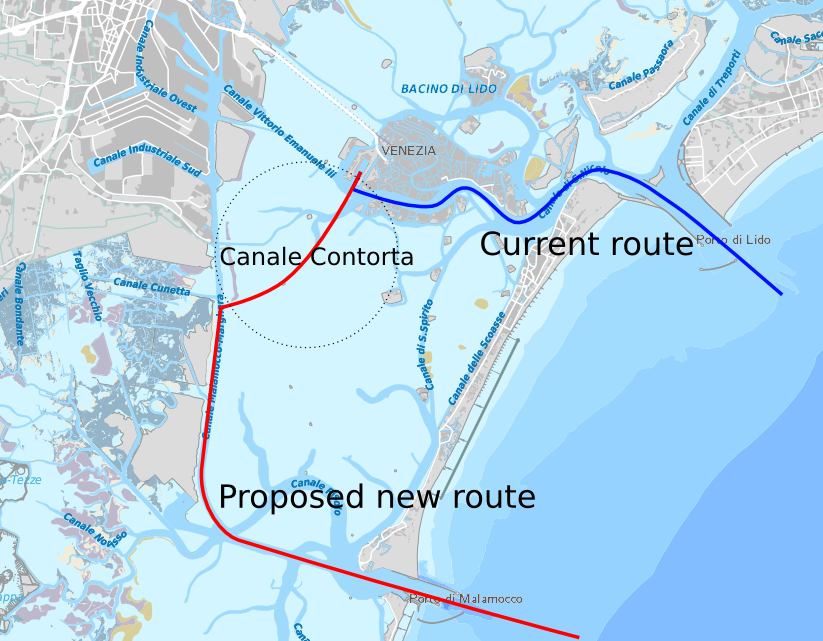
    The current route followed by the cruise ships to the cruise terminal in Venice is marked in blue on the map below.

    This huge cruise ships pass straight through the centre of the city, and to say the least they’re an eyesore.

    Various measurements of the air quality indicate that each of these ships pollute  like 15,000 cars. With up to 12 of these passing on a good summer’s day, its like living on the side of a very busy motorway.

    The route from the sea to the cruise terminal is very narrow as only a part of the basin in front of St.Mark’s have the required depth for the cruise ships to pass. The tight passage and the many sharp turns are beyond the manoeuvrability of the ships, and they’re always accompanied by two tugs, one in front and one behind, to help them turn the corners. They’re not able to navigate the passage on their own.

    It is very unlikely that the next generation of cruise ships, being 20% longer and wider, will be able to negotiate this passage.

    The Canale Contorta or Caotorta

    Hence the need for the powers that be to find another passage to the existing cruise terminal, which have received substantial investments in recent years.

    The residents have helped a bit. There is a marked hostility in the city of Venice towards the cruise ships passing through the city centre. They are very very ugly, the pollution scares people and they bring very little if any economic benefit to the populace in general.

    Even the association of hotel owners in Venice have stated that they’d rather be without the cruise tourists who generally spend very little in Venice as they both sleep and eat on board.

    The harbour authority has for a long time had the project for another access way to the cruise terminal in their drawers. With the mounting pressure to remove the cruise ships from the centre of the city following the Costa Concordia disaster in Tuscany, the plan for the Canale Contorta was taken out again.

    The plan is to make a branch on the Canale dei Petroli that will lead straight to Venice.

    The Canale Contorta already exists and always have. It is about 15m wide and has a depth varying between less then 1m and about 2m. It can only be used by small boats and as all natural canals in the lagoon it is winding, not straight.

    What the harbour authority proposes as a “recalibration” of the canal, will take it to 100m in width, over 10m in depth and straighten it out.

    They’re taking a pretty country lane and making it into a motorway surrounded by mounds, calling it a “recalibration”.

    The 6 million cubic metres of polluted mud they’ll have to dig away will be used to create what they call “marsh islands” around the canal. This is most likely to contain the waves caused by the displacement of the ships, and probably just as important, to dispose of the mud as close to digging site as possible to keep costs down. This is marketed as an environmental investment to return the central lagoon to what it was before the Canale dei Petroli was dug.

    Other projects have been tabled, such as a new cruise terminal in Marghera as large parts of the old industrial harbour is unused and the canal already exists; or an off shore cruise terminal outside the MOSE flood gates at San Nicolò, but all alternatives have been swept away as inadequate, and only the Canale Contorta project has been examined.

    This decision was taken by the government in Rome in mid August.

    The project has to undergo a VIA, valutazione dell’impatto ambientale, or environmental impact assessment. This process should have taken two month including public debates, but the harbour authority has managed to fast track the procedure, claiming the project is of strategic national interest, so the VIA will be just 30 days and without any kind of public debate.

    The residents of Venice has taken up the fight. They have collected almost 30,000 signatures online and around the city; and groups are contesting the project and the way it is forced through the system through legal means.

    The impact of the canal will be to exacerbate the damages the Canal dei Petroli has already done to the lagoon, and mostly likely undo whatever positive effect the MOSE project might have on the lagoon in the future.

    State versus city

    How come such decisions are taken when the locals are clearly against them?

    It is all a matter of state versus local administration.

    The harbour of Venice is not the harbour of Venice city. It is a state harbour. The managers and directors are appointed in Rome, and they appoint people who share the government’s view of what should happen in the harbour.

    Venice city and the local population has no say whatsoever in what the harbour authority does or doesn’t do.

    What money the cruise industry brings to ‘Venice’ doesn’t benefit Venice city. All the money goes to Rome, to the government, the owner of the harbour.

    When the Canale dei Petroli was build there probably wasn’t much of a public debate, but the MOSE project was fiercely contested locally. Yet the project was steam rolled over the city and local objections, channelling all funding from safeguarding the city to pouring cement in the lagoon.

    As the mismanagement and corruption of the MOSE project has been revealed in the last few years, it has been clear that the opposition back then was right all the way, yet they were derided in the press, dragged to court and almost bankrupted, had their academic careers damaged.

    Now the same procedure is repeating all over. Government agencies are forcing the project through against local opposition, and with all likelihood the canal will be dug, and with all likelihood the environmental damage will be massive and irreversible.

    As an extra little finesse this time the powers that be have managed to force the mayor of Venice to resign after accusation of corruption related to the MOSE project, so the city of Venice has no democratically elected local government any more. The city is currently managed by a government appointed commissioner, who doesn’t speak up against the government in Rome, his employer.

    That is Venice’s future if the Italian government gets it their way. In the process a lot of people will get richer and more powerful, and the mess they leave behind will be left to the future residents of Venice, who never wanted any of the projects from Rome.

    The high tides will be ever higher and ever more frequent.

  • Poor Poveglia

    Poor Poveglia

    The challenge of the association Poveglia per tutti of collecting enough money to beat the other bid for the island, failed. The association arrived at €420,000 but that was not enough, as the unknown other bidder had offered €513,000 for the island. Second battle lost, then. The war is not necessarily lost, though.

    The next steps

    After the online bidding round on last Tuesday, which saw no raised bids, a technical commission of the Demanio di Stato (the body managing state owned properties) has 30 days to examine the winning bid, to decide whether it is in conformance with the conditions set out in the offer to sell the island, and whether it is in the state’s interest to sell at that price. If the Demanio refuses to sell at €513,000 we’re back to square one and all options are open as before.

    The winning bidder

    The winning bid was made anonymously, but at the end of the bidding process it was revealed that the person behind the offer was Luigi Brugnaro. Brugnaro is a well know figure in Venice. He is the president and main sponsor of the very popular Reyer basketball team, the owner and founder of the company Umana Spa and ex-president of the Association of Industrialists in the Veneto region. The popularity of the Reyer team hasn’t rubbed much off on him, though. He is generally disliked. He is not Venetian, but comes from the small town Spinea on the mainland, so he is seen as an outsider, a non-Venetian. Umana Spa which made him rich, is a jobs agency, helping people find work in return for a share of the wages earned in a period afterwards. Neither this as made him popular. The company is seen as a parasite, exploiting the desperation of the many jobless. He is perceived as having gotten wealthy on the back of common people’s misery. He also has a concession for 40 years on the Scuola Grande della Misericordia. It is a huge building in Cannareggio, formerly used as a municipal sports facility, but very much in disrepair. To save the building, the city has given it in concession to Brugnaro, in return for restoration. Brugnaro, however, lets the building rot while renting it out to private parties and company events. The net effect of this is that a public good has been turned over to a private citizen, with no return benefits to the public. Most people expect this to repeat if Brugnaro gets hold of poor Poveglia.

    The city of Venice

    On the sideline is the city of Venice. The city council has an option in these cases, of buying the island in front of the winning bidder, at the price established by the auction. Therefore, if the Demanio decides that the island can be sold 99 years for €513,000, then the city can get the island for that price. The city can also get the island if the Demanio decides not to sell at the price offered. In that case the island can be devolved to the city. There is therefore a real chance that the city of Venice will be able to acquire control of the island, one way or the other. There will be local elections next year in May, exactly one year from now. If the city council lets Brugnaro have the island, when they had options to prevent it, they will pay at the next elections. Considering the ability of the Poveglia per tutti association in mobilising thousands of Venetians and others for a common cause, it would be a rather stupid decision of a not very popular city council to not try to get hold of the island, and it that case, not to let the Poveglia per tutti association run it. On the other hand, if they manage to secure the island for the Venetian public, there might be an electoral reward around the corner. So, in spite of everything, there’s still hope.